How Invasive Aquatic Plants Are Taking Over Lakes and What You Can Do About It!
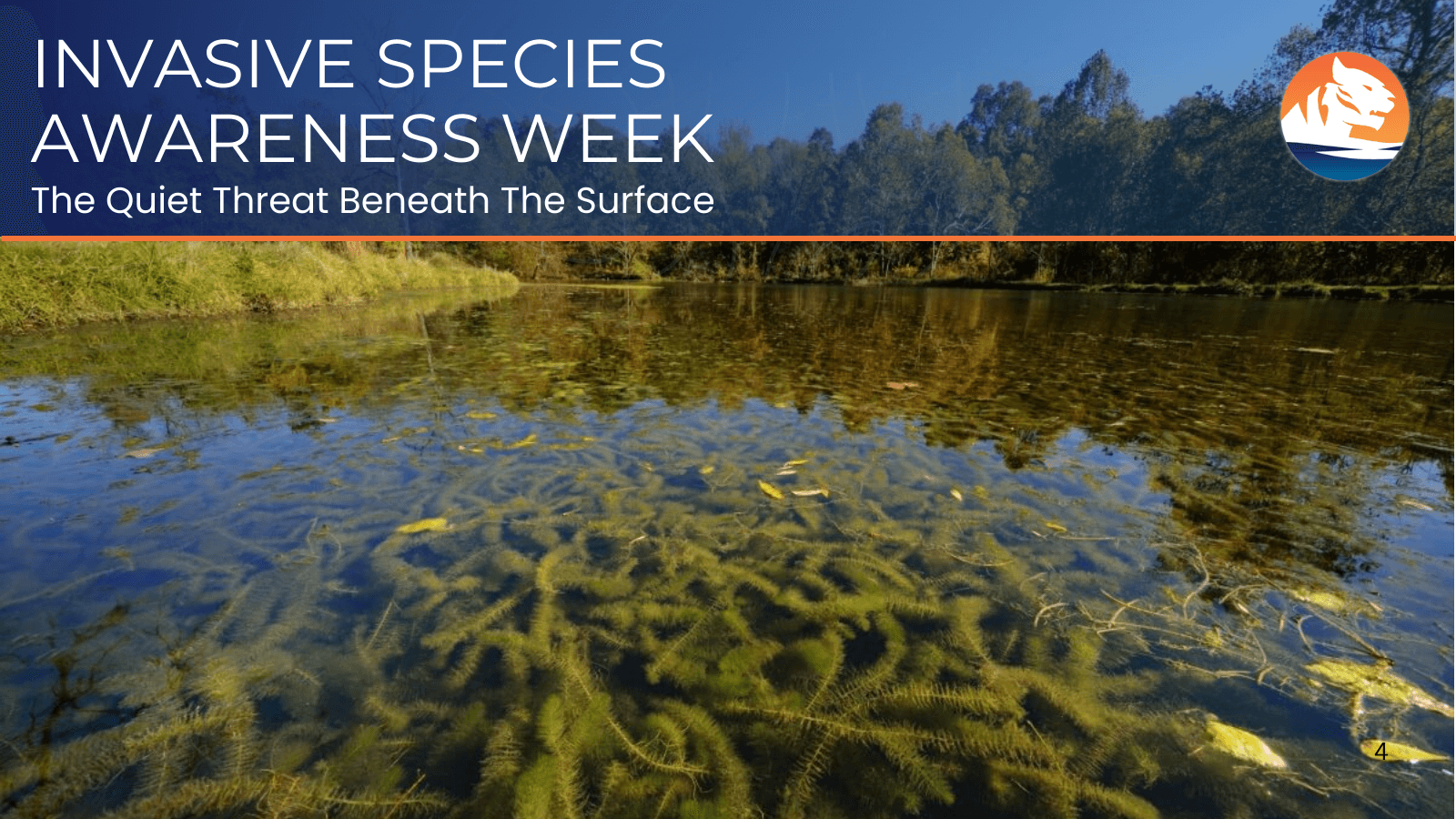
Invasive Species Awareness Week, February 23-27, serves as an important reminder of the growing threat invasive aquatic and shoreline plants pose to lakes and ponds across our regions.
While some invasive plants may appear harmless, even attractive, their impact on aquatic ecosystems can be severe and long-lasting.
When left unmanaged, these species can:
• Reduce oxygen levels and harm fish populations
• Decrease water clarity and overall water quality
• Limit recreational use
• Increase long-term management costs
• Disrupt the ecological balance of the entire waterbody
The most effective strategy for invasive species management is early detection and proactive intervention. Addressing growth early prevents widespread infestations and helps preserve the long-term health of your lake.
During Invasive Species Awareness Week, we encourage property owners, lake associations, and municipalities to:
When left unmanaged, these species can:
• Reduce oxygen levels and harm fish populations
• Decrease water clarity and overall water quality
• Limit recreational use
• Increase long-term management costs
• Disrupt the ecological balance of the entire waterbody
The most effective strategy for invasive species management is early detection and proactive intervention. Addressing growth early prevents widespread infestations and helps preserve the long-term health of your lake.
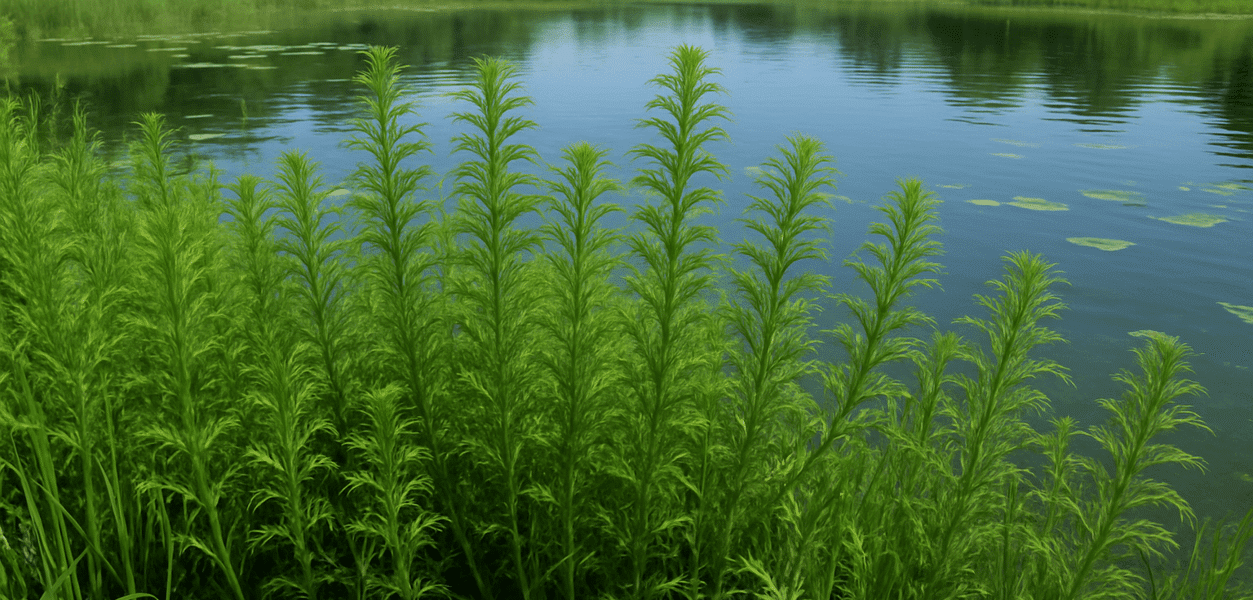
Hydrilla
An aggressive submerged plant that clogs waterways, interferes with boating and fishing, and outcompetes native vegetation.
Eurasian Watermilfoil
An aggressive invasive aquatic plant that forms dense underwater mats, crowding out native plants and disrupting fish habitat.habitat.
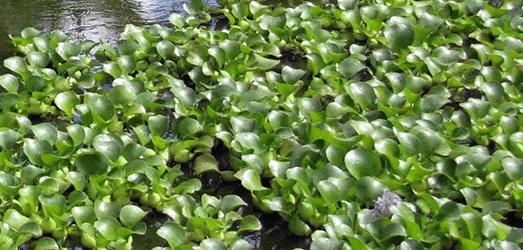
Water Hyacinth
A floating plant capable of doubling in size in as little as two weeks, blocking sunlight and reducing oxygen levels in the water.
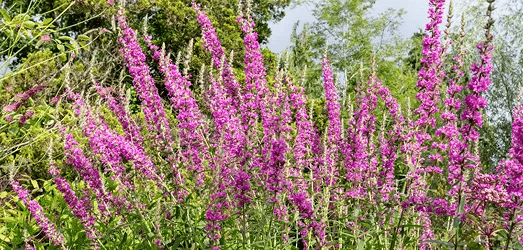
Purple Loosestrife
An aggressive shoreline invader that rapidly displaces native wetland plants, reduces biodiversity, and degrades critical habitat.
During Invasive Species Awareness Week, we encourage property owners, lake associations, and municipalities to:
• Inspect shorelines and shallow areas
• Clean boats, trailers, and equipment thoroughly
• Avoid introducing non-native plants
• Report suspicious plant growth promptly
• Develop a proactive lake management plan
Protecting your lake today helps ensure it remains healthy, usable, and vibrant for years to come.
At TIGRIS, we work with communities to identify invasive species early and implement science-based management strategies that protect water quality and ecological balance.
If you’re unsure what’s growing in your lake or pond, or want to take a more proactive approach this season, we’re here to help.
Download our Invasive Species Spring Checklist
Here