Serving 15+ states with regional hubs near you. Find Your Local Service Location

Stormwater Management and Infrastructure

Share:

TIGRIS provides stormwater inspection, maintenance, and remediation services.
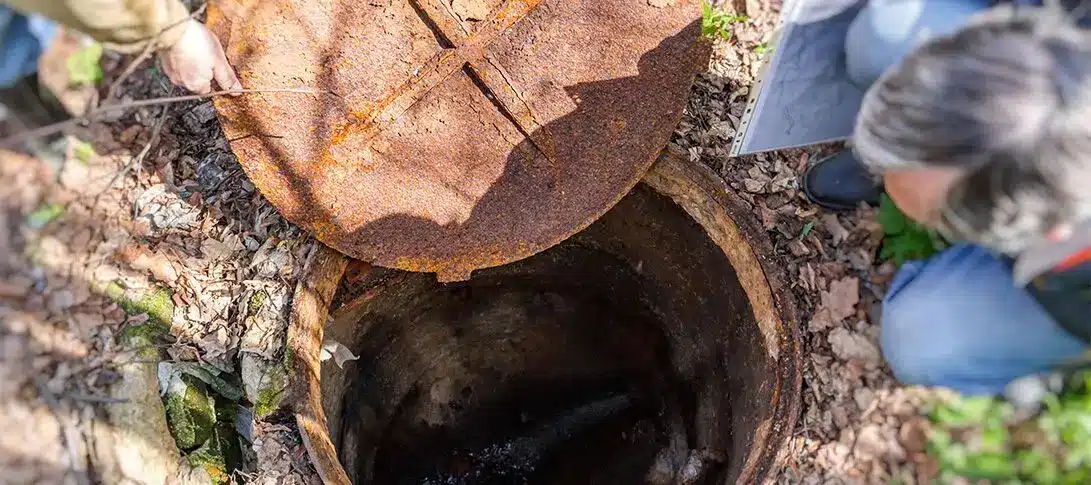
If you’d like an assessment of your stormwater systems

The $47,000 Wake-Up Call: What Property Managers Learn About Stormwater the Hard Way

It’s 7 AM on Monday when the email hits your inbox: NOTICE OF VIOLATION.

Your heart sinks. You click it open.
The stormwater detention pond behind Building C, the one that “seemed fine” during last month’s walkthrough, failed inspection. Sediment buildup has reduced capacity by 43%. You’re facing $15,000 in fines, mandatory remediation within 30 days, and quarterly follow-up inspections for the next two years.

By noon, you’re looking at repair estimates between $30,000 and $35,000. Add the fine, and you’re explaining a $47,000 unbudgeted expense to ownership, all because a $3,500 routine dredging got pushed to “next quarter” six quarters in a row.

This was completely avoidable

Why Stormwater Problems Stay Hidden Until They're Expensive

Everything happens underground or underwater, where you can’t see it.

That detention pond looks fine from the parking lot. But sediment accumulates at 2–3 inches per year. After five years without dredging, your pond can’t hold the volume it was engineered for. One major storm, and you’ve got flooding, property damage, and regulators asking why your system wasn’t maintained.

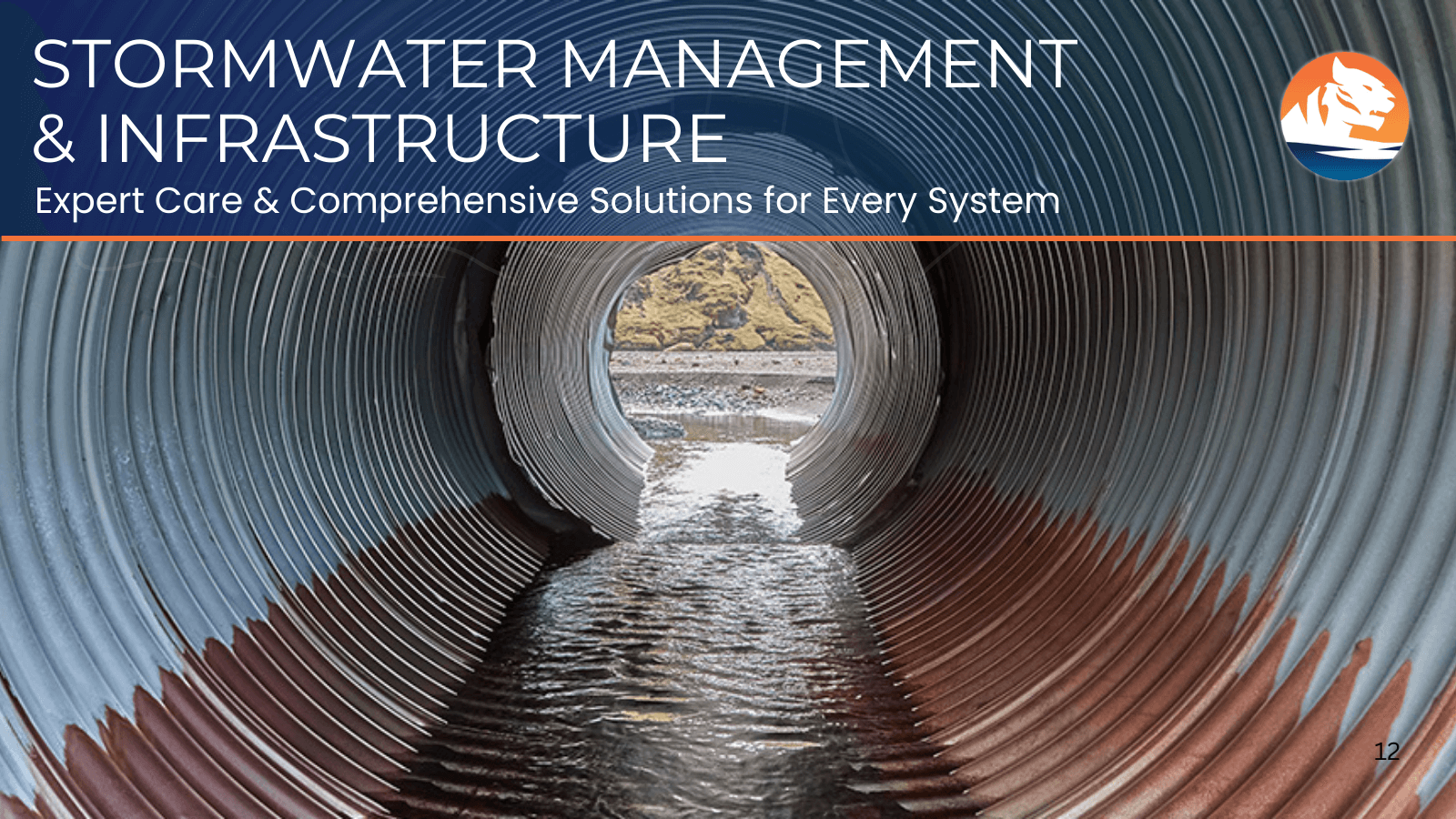
Your underground pipes don’t send warning emails before they fail. A small crack becomes a collapsed section. Roots infiltrate joints. Sediment restricts flow by 60%. You won’t know until water’s standing where it shouldn’t be, or until an inspector’s camera reveals the damage.

The erosion along your shoreline starts small. A little soil loss after each rain. Within three years, you’ve lost structural integrity, you’re contributing sediment to downstream systems, and you’re non-compliant with erosion control standards.

This is the nature of stormwater failure: slow, invisible, patient. It compounds quietly until it becomes catastrophic.

The Three Blind Spots That Cause Most Violations

After years of emergency calls and violation responses, we’ve identified the gaps behind almost every stormwater citation we see.

Blind Spot #1: Underground Infrastructure Nobody’s Looked At

Your pipes and stormwater control measures work 24/7, handling every rain event. When’s the last time you actually inspected them?

Real example: We ran a camera through a commercial property’s pipe system that hadn’t been assessed in eight years. The property manager assumed everything was fine, no visible problems. The camera revealed a 40-foot section that was 70% blocked with sediment and debris. One more heavy rain would have meant catastrophic failure, flooded parking, and building water intrusion.

The camera inspection cost $1,200. Cleaning the blockage cost $4,800. If it had failed during a storm? Easily $40,000+ in emergency repairs and property damage.


Blind Spot #2: Sediment Accumulation Nobody Notices

How much sediment can accumulate in your detention pond before you notice?

A lot. We routinely find ponds that have lost 30–50% of their design capacity, and nobody realized it because the loss happens gradually.

Your pond was engineered to handle a specific volume based on drainage area, rainfall intensity, and discharge rates. When sediment takes up 40% of that volume, the pond can’t do its job. It fails to detain water properly. It doesn’t settle out pollutants effectively. When the big storm comes, it overflows, flooding, property damage, and environmental violations all at once.

The fix isn’t complicated: bathymetric assessment to measure exactly how much capacity you’ve lost, followed by dredging to restore it. The key is doing it before you’re in violation.


Blind Spot #3: The “Small Stuff” That Fails Inspections

Inspectors don’t just check major infrastructure. They’re looking at everything.

Trash and debris in inlet structures? Violation. Overgrown vegetation blocking flow paths? Violation. Clogged filters? Violation. Erosion along your vegetated swale? Violation. Invasive plants choking your bioretention area? Violation.

Individually, none of these seem urgent. You think, “I’ll get to it next month.” But inspectors see a pattern of neglect, and suddenly you’re facing citations for multiple deficiencies instead of one.

Regular maintenance documentation is your insurance policy here. Scheduled mowing, debris removal, filter maintenance, invasive plant control, the unglamorous work that keeps you off the violation list.

The Real Choice You're Making

Every deferred maintenance decision is a bet. You’re betting that nothing will fail before you get around to it.

Sometimes you win that bet. But the math doesn’t favor you over time.

Emergency repairs cost 3–5x more than planned maintenance. Violations add thousands in fines on top of repair costs. And once you’re on the regulatory radar, you’re looking at increased inspection frequency and heightened scrutiny for years.

The properties that never get violation notices aren’t lucky. They inspect their underground infrastructure before problems become emergencies. They measure sediment levels and dredge before capacity drops below compliance thresholds. They maintain the small stuff consistently so it never accumulates into a failed inspection.

The difference between a $3,500 maintenance call and a $47,000 emergency isn’t luck. It’s whether you catch problems while they’re still small.

What to Do Next

If you’re managing stormwater systems and you’re not sure what condition they’re actually in, find out. Get cameras in your pipes. Measure your pond capacity. Document your maintenance.

The violation notice you prevent is the one you never have to explain to ownership.

Related Posts
Spring Is Here!

The Importance of Spring Aeration
The Benefits Of Dredging

Scroll to Top

Jen Biancalana

N/A
N/A
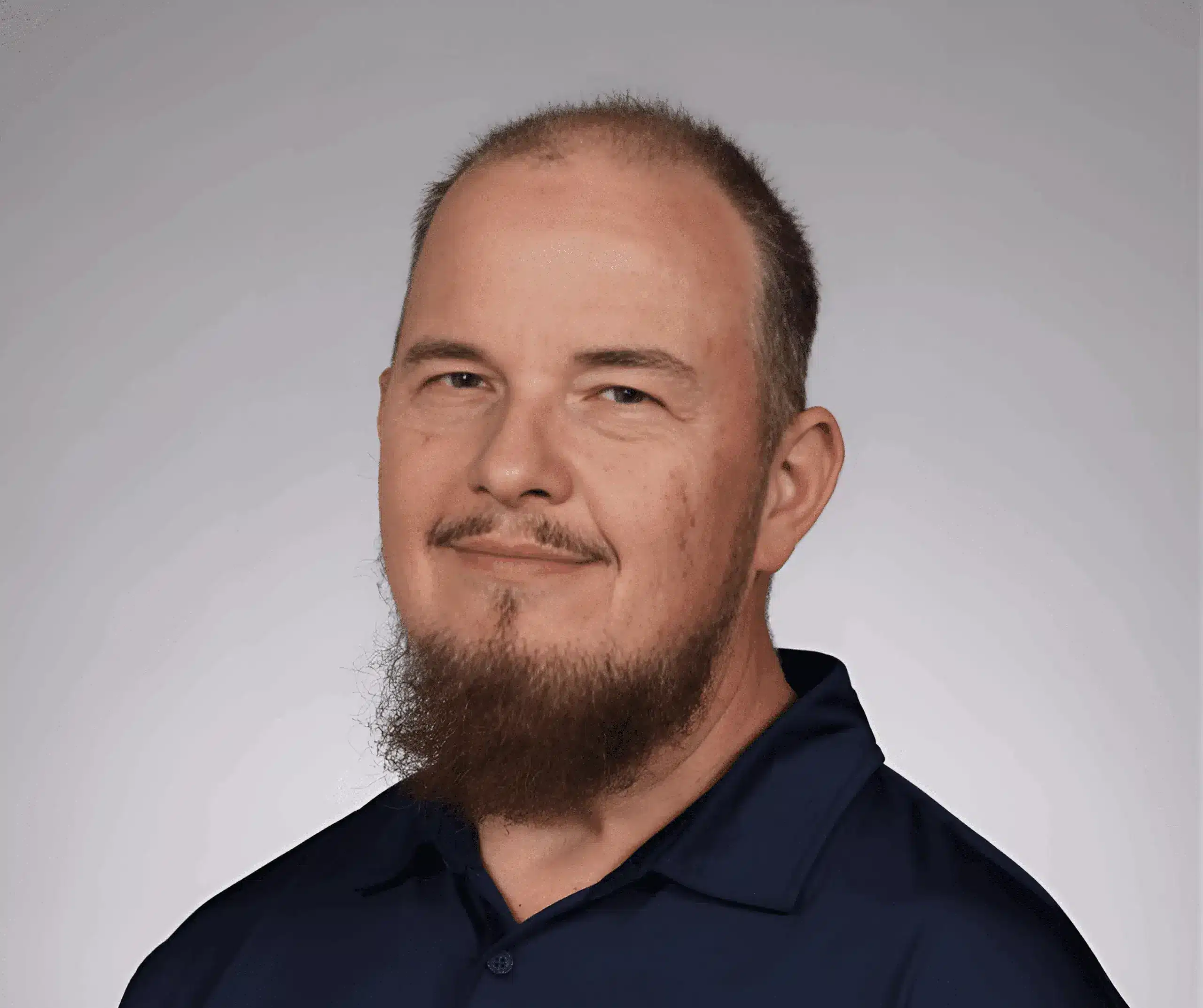
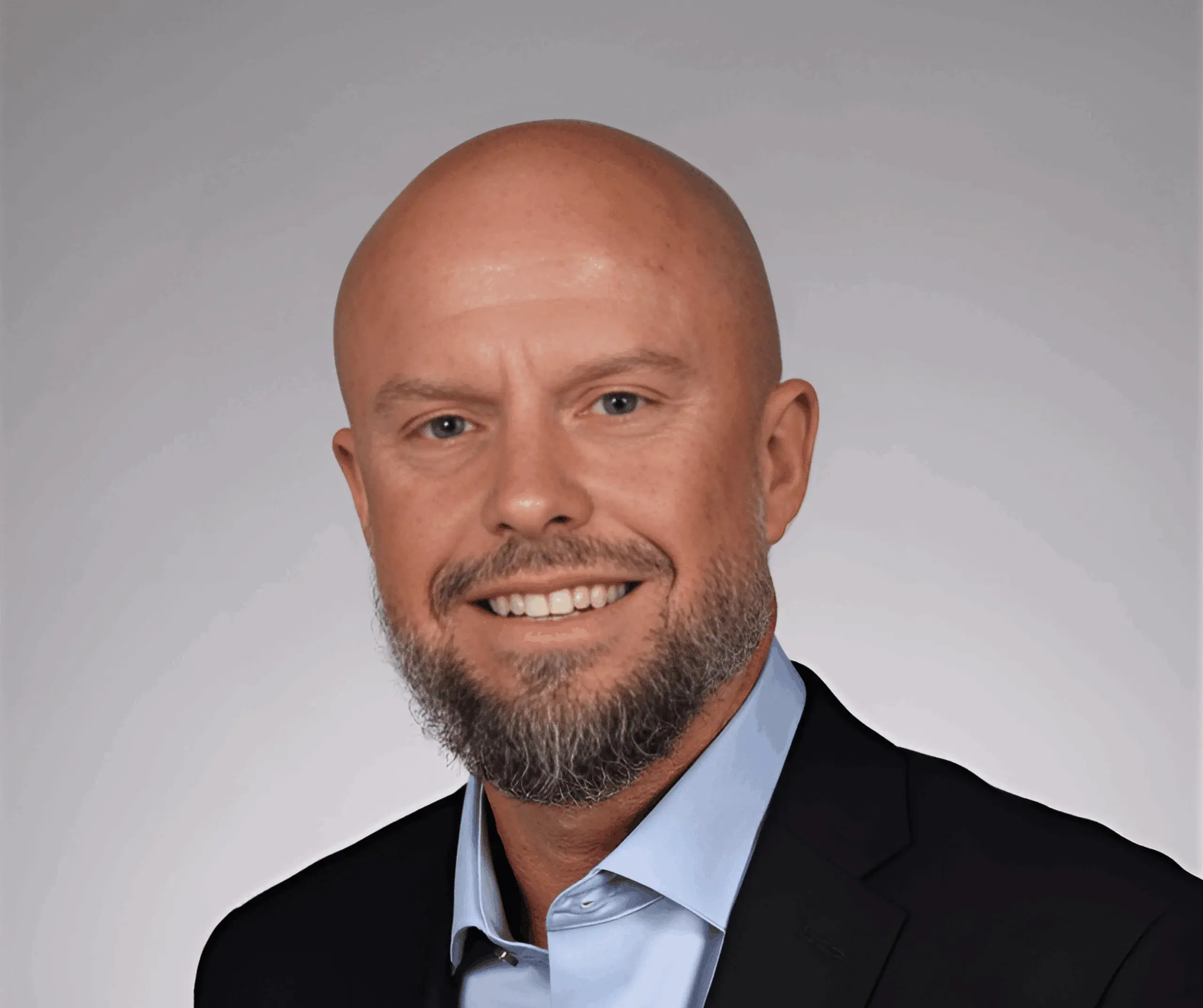
A middle-aged man with a trimmed beard and short hair, dressed in a dark collared shirt, poses confidently in front of a plain gray background, embodying the professionalism of pond management.

Darin Higgins

Director of Sales, Southeast
Darin Higgins is a visionary leader with over 18 years of expertise driving growth in sales, business development, and talent management across the pest control, aquatics, and green industries. As Director of Southeast Sales at TIGRIS, he leads strategic expansion efforts, cultivates impactful partnerships, and empowers a top-tier team of Business Development Managers to consistently exceed sales goals. Known for his ability to elevate performance, build entrepreneurial cultures, and reduce turnover, Darin has held key roles such as Director of Business Development and Regional Business Development Manager at Aquagenix, a 30-year-old Florida based company, now part of the TIGRIS family.

A Certified Pest Control Operator and Green Industries BMP Instructor, he combines 22 years of hands-on green industry experience with mastery in needs-based sales, strategic planning, and digital marketing. Darin’s results-driven approach blends innovative leadership with practical expertise, delivering exceptional outcomes in fast-paced, deadline-oriented environments. His track record of fostering collaboration and executing high-impact initiatives solidifies his reputation as a transformative force in the industries he serves.

Aaron Powery

Vice President of Operations, Florida
With over 25 years of leadership in the environmental sector, Aaron Powery combines operational excellence, strategic vision, and a passion for sustainability to drive growth and innovation. As VP of Operations in Florida, he spearheads initiatives that expand service territories, enhance market presence, and deliver measurable environmental and financial outcomes.

James Stone

Operations Manager, Peachtree City, GA
James is expanding the TIGRIS brand in the Southeast, with just over five years in the aquatics industry, including a position at Aquascape Environmental. James holds a Bachelor of Science in Biology from The University of West Georgia and is a licensed pesticide applicator in Georgia.

Matt Troxler

Operations Manager, Woodstock, GA

Matt leads a team of specialists and service technicians, ensuring they are provided with the best training, equipment and leading-edge products and technologies to maintain our customers’ lakes and ponds while ensuring fast response times to clients’ needs. In fisheries, Matt develops sustainable, balanced fish populations and implements natural aquatic vegetation control. Matt has over 14 years of professional experience in lake and pond management, aquatic vegetation control, fisheries management, customer relations and sales. He holds a Bachelor of Science in Wildlife and Fisheries Science from Tennessee Tech University.

Wade Weikart

Operations Manager, Carol Stream, IL
At TIGRIS, Wade is focused on building the industry’s most experienced operations team and aeration service center. Wade has over ten years of experience in the aquatics industry. Before TIGRIS, Wade worked for Clarke Aquatic Services, serving as the fountain and aeration supervisor. Wade is a veteran of the United States Air Force, where he served as an aerospace ground equipment and generator mechanic. Wade is certified in electrical, hydraulic, mechanical and pneumatic systems.

Joe Haufle

Vice President of Sales, Midwest
Joe balances a top-tier sales and service operation at TIGRIS, delivering an exceptional customer experience while creating organic growth strategies. With over 25 years of experience in leadership positions within the environmental services and public health sectors, Joe brings a vast knowledge of corporate strategy, operations management and business development to our team. Prior to joining TIGRIS, Joe held several leadership positions in operations management, sales and business development for Clarke Aquatic Services and NSMAD. Joe has been a certified applicator since 1998 and is a published author on HAB management, aeration system design and watershed management. Joe holds a Bachelor of Arts from the University of Illinois Chicago and a certificate in sustainable business management from Case Western Reserve University.

Sonja Wixom, CLM

Business Development Manager NE
Sonja Wixom is an accomplished Certified Lake Manager (CLM), the highest designation in lake management recognized by the North American Lake Management Society (NALMS). With a Master of Science in Lake Management from the State University of New York, Sonja combines her extensive knowledge with hands-on experience in aquatics and conservation biology. As a Lake Manager and Limnology Educator, Sonja is committed to advancing the industry through her involvement in professional presentations and environmental initiatives. At TIGRIS, she plays a vital role in the Great Lakes Region, providing invaluable expertise to address Minnesota and Wisconsin’s unique aquatic vegetation management and water quality improvement needs.
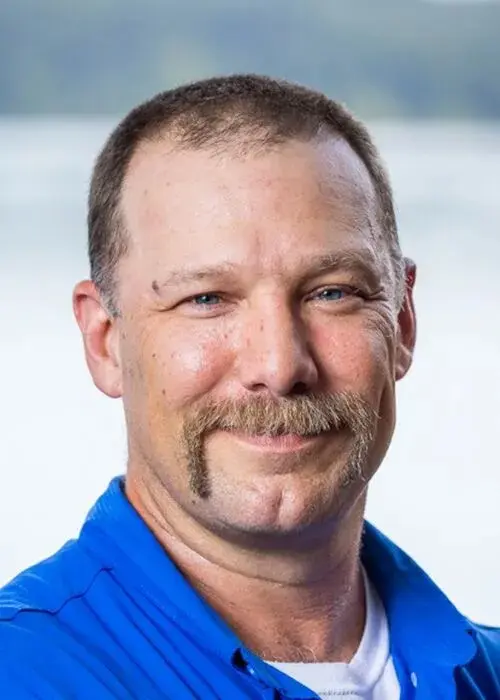
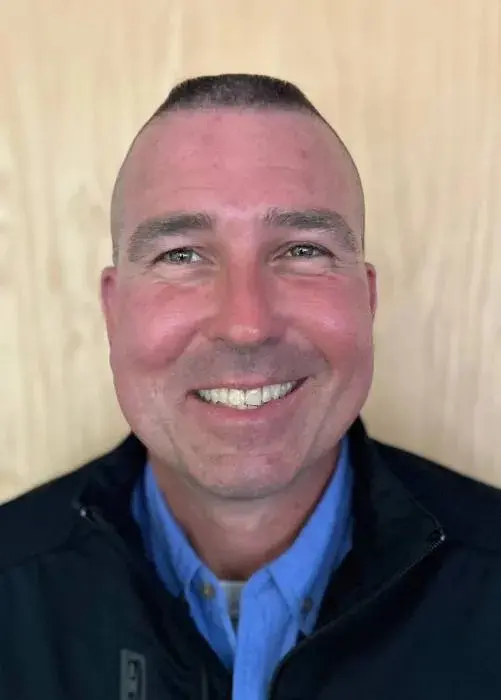
A man with short brown hair, a mustache, and blue eyes smiles at the camera. He is wearing a blue collared shirt, perfect for a day of pond management. The background is softly blurred.

Paul Slovisky

Director of Operations, Atlanta, GA
Paul oversees the day-to-day activities of both our Lake and Pond Management department and our Stormwater Infrastructure Maintenance and Repair department. Paul coordinates with various regional department heads and supervisors to ensure all aspects of our team have what they need to function as an industry-leading, nationwide stormwater service provider. Paul has over 25 years of leadership experience in the surface water and stormwater management and restoration industries, including serving as VP of Operations at Aquascape Environmental. Paul holds a Bachelor of Science in Earth Science from Mercer University.
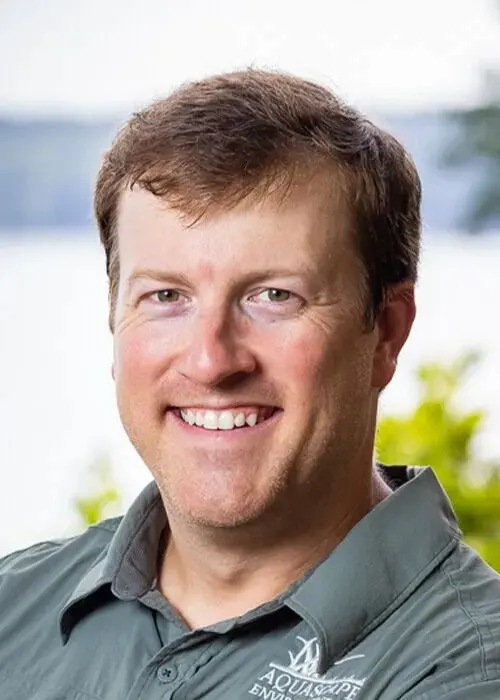
A man with short brown hair smiles at the camera, wearing a gray collared shirt with an "Aquascape" logo, outdoors with greenery and water in the background, reflecting his expertise in pond management.

Evan Carpenter

Director of Operations, Coastal Southeast Region
Evan is focused on increasing customer density and brand awareness throughout the region while elevating TIGRIS as the foremost provider of aquatic services. Before joining TIGRIS, Evan led the Lake Management Division for Aquascape Environmental (AE), an Atlanta-based environmental services company. Evan holds four Certified Commercial Applicator licenses across the southeast and a level 1 certification from the Georgia Soil and Water Conservation Commission. He also serves on the Advisory Committee for the Environmental Technology Department at Chattahoochee Technical College. Evan earned a Bachelor of Business Administration in Management from Valdosta State University.

Marty Miesko

Director of Business Development, Northeast Region
Marty Miesko is the Director of Business Development for the Northeast Region at TIGRIS, bringing over 30 years of expertise in lake and pond management. As the founder and former president of Natureworks Clearwater Associates, Inc., he established the company as a premier service provider and one of the largest fountain distributors in the Northeast. Marty is committed to strengthening our presence in the Northeast and enhancing our industry expertise. His dedication to excellence and customer satisfaction aligns seamlessly with TIGRIS’s values, making him an integral part of our team.

David Pullins

Chief Executive Officer Member, Board of Directors
David is propelling TIGRIS into an industry-leading, nationwide stormwater service provider, steering its rapid growth while fostering a high-impact culture. He has over 25 years of leadership experience in the water and environmental industries, spanning blue-chip global conglomerates, private equity portfolio companies, start-up ventures and mid-market companies. Before joining Plexus, David was the VP/GM at Clarke Aquatics and also spent 15 years at Pentair. David holds a Bachelor of Arts from The Ohio State University and an MBA from Vanderbilt University.