Share:
Don't wait for the green to appear.
Give us a call this spring and we’ll handle the rest.
Picture this: It’s early June, and the pond at the back of your property is turning a murky shade of green. The fountain that looked so impressive last fall is sputtering, caked with algae. You’ve noticed fewer fish than usual, and you’re scheduling yet another treatment visit that, if last year is anything to go by, will only hold things off until August.
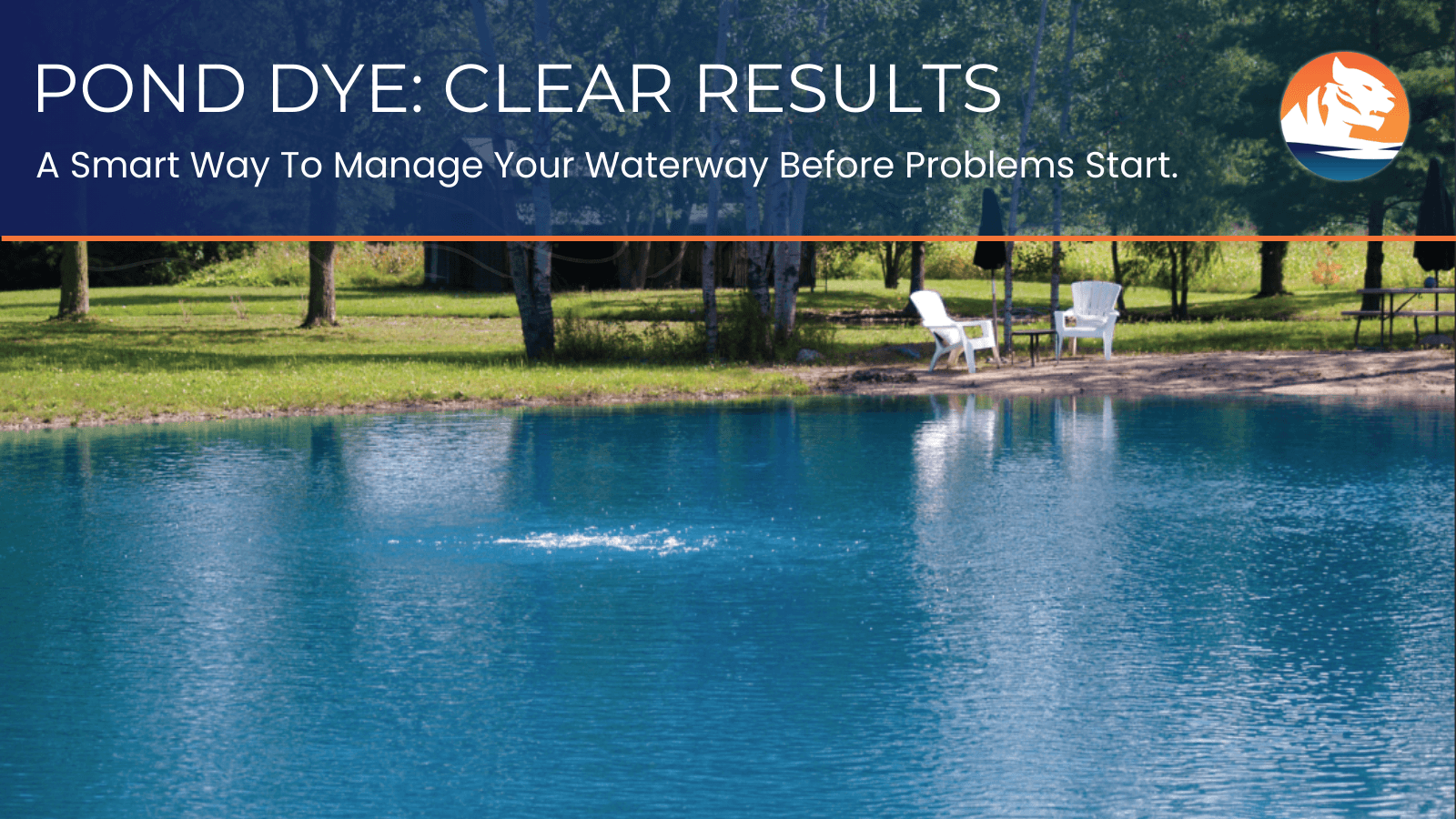
Now picture the same pond, same time of year, the season after you started using aquatic dye. The water has a clean, rich color to it, the kind that looks intentional, not neglected. The fountain is running smoothly. Your fish are healthy and visible. And your maintenance costs are down noticeably from where they were twelve months ago.
That’s not a best-case scenario, it’s the kind of result waterway owners regularly see when they shift from reactive treatment to preventative management. Aquatic dyes aren’t a miracle product, but they might be the most straightforward upgrade you can make to the way you care for your water.
1. They Support, Not Suppress, Your Aquatic Plants
One of the most common misconceptions about aquatic dyes is that they act like a chemical herbicide, indiscriminately killing off whatever grows in the water. In reality, high-quality aquatic dyes are formulated to selectively limit light penetration at the depths where unwanted algae thrive, while leaving beneficial aquatic plants largely unaffected.
Plants like native lilies, submerged grasses, and shoreline vegetation that have adapted to your waterway’s light conditions will continue to grow, provide oxygen, and support healthy fish populations. The dye essentially acts as a natural filter at depth, not a poison at the surface, making it an excellent complement to any existing aquatic planting or habitat restoration program.
2. A Preventative Measure That Cuts Long-Term Costs
Ask any waterway manager what their biggest frustration is, and the answer is almost always the same: reactive maintenance. Waiting for an algae bloom to form before treating it means higher chemical costs, more labor hours, and a worse outcome than simply preventing the problem in the first place.
Aquatic dyes work by reducing the sunlight that penetrates below the water’s surface, the exact resource that algae and aquatic weeds depend on to fuel explosive growth. By limiting this resource before a bloom can establish, dyes break the costly cycle of seasonal treatments. When used consistently, they can significantly reduce and in some cases nearly eliminate, the need for expensive algaecide applications mid-season.
The best time to start is early spring, before water temperatures rise and algae have a chance to take hold. Treating your waterway at the first signs of the season, rather than waiting for a problem to appear, gives the dye time to establish and means you’re working with nature’s timing, not against it. Think of it like sunscreen: far more effective applied before you’re in the sun than after the damage is done.
3. Environmentally Friendly and Non-Toxic by Design
Modern aquatic dyes are not agricultural chemicals. The colorants used in water-safe formulations are inert, non-toxic compounds that do not bioaccumulate, do not break down into harmful byproducts, and do not alter the pH or dissolved oxygen levels of your water.
Unlike copper-based algaecides or peroxide treatments, which can have cascading effects on invertebrate populations and sediment chemistry, aquatic dyes work through a simple physical mechanism: blocking light. There’s no toxic pathway, no residue, and no downstream risk. For waterways adjacent to wetlands, natural reserves, or areas with sensitive ecology, this non-toxic profile makes aquatic dyes one of very few viable management tools available.
4. Shade, Protect, and Beautify Your Water All at Once
There’s a practical side to aquatic dye that often gets overlooked: it doesn’t just manage what grows in your water, it actively protects it. By creating a natural shade layer across the surface, dye limits the penetration of powerful UV rays that accelerate algae growth and contribute to the breakdown of your water’s natural balance.
But here’s what makes it genuinely satisfying to use: the results are visible. A well-dyed pond doesn’t look treated, it looks healthy. The rich, deep color that aquatic dye imparts enhances the natural beauty of your waterway, giving it the kind of clean, vibrant appearance that makes it a genuine feature of your property rather than a maintenance problem you’re managing from a distance.
It’s one of the rare solutions in waterway care where the functional benefit and the aesthetic result point in exactly the same direction.
5. Safe for Every Living Thing That Depends on Your Water
A waterway isn’t just water, it’s a habitat, a recreational resource, and in many cases a source of drinking water for surrounding wildlife. Properly formulated aquatic dyes are safe for humans (treated water is suitable for swimming and fishing with no withdrawal period), fish, waterfowl, mammals, amphibians, and reptiles alike. Even cold-blooded species, which can be particularly sensitive to chemical changes in their aquatic environment, show no ill effects from exposure to aquatic dye formulations.
6. A Natural Defense That Protects Your Fish from Predators
One of the key reasons sport fish and ornamental koi are lost to herons, ospreys, and other diving birds is simple visibility. In clear, shallow water, fish are exposed and easy targets for aerial predators that hunt by sight.
Aquatic dyes reduce the visibility of fish from above the waterline. The tinted water still appears natural and aesthetically pleasing to the human eye, but it effectively obscures fish from predators hunting from altitude or the water’s edge. For pond owners who have invested in quality fish stock, this passive, chemical-free protection can represent meaningful savings over the course of a season.
7. Keep Your Fountains Running Longer Between Cleanings
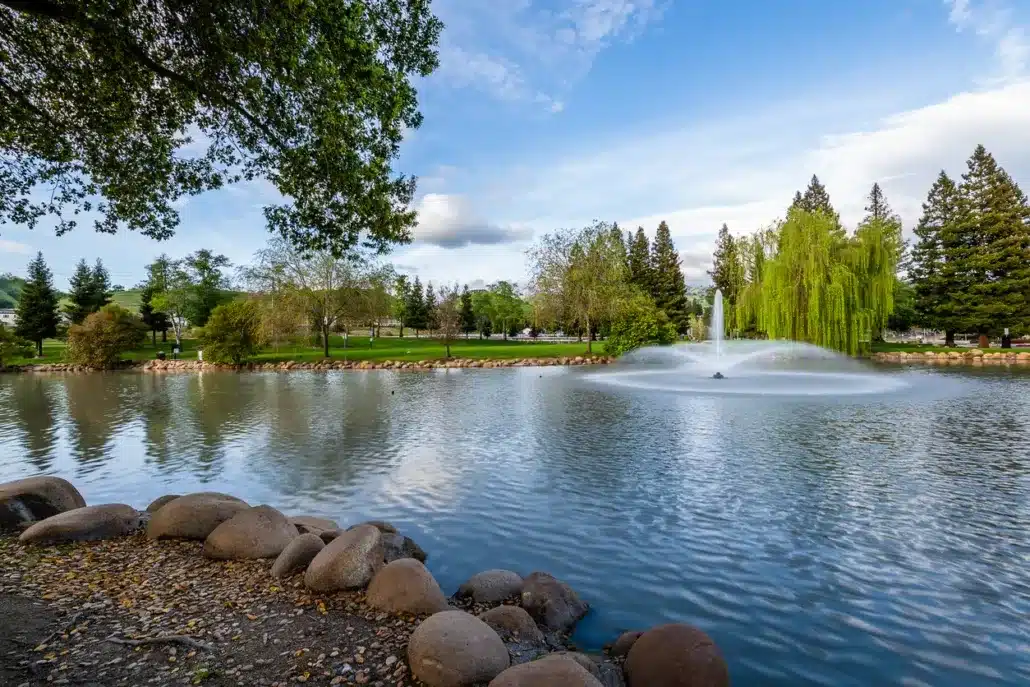
Algae buildup is the leading cause of premature pump wear, clogged impellers, and the unsightly green film that coats fountain components. By suppressing algae growth through light limitation, aquatic dyes dramatically reduce the rate at which biological fouling accumulates inside fountain systems, meaning fewer emergency cleanings, longer intervals between scheduled maintenance, and an extended operational life for pump components.
For property managers overseeing multiple water features, or homeowners tired of scrubbing down their backyard fountain every few weeks, this benefit alone can justify the cost of routine dye application.
Bottom Line
Aquatic dyes offer one of the most cost-effective, environmentally responsible strategies available to waterway owners today. The results speak for themselves – clearer water, healthier fish, lower costs, and fewer headaches from season to season.
Related Posts
Algae Control In Florida

Spring Is Here!