Share:
How Can You Help When There are Fish Kills?
Talk to TIGRIS Today About Your Lake and Pond Care Needs
Why Are There Dead Fish in My Pond? (And Should I Worry?)
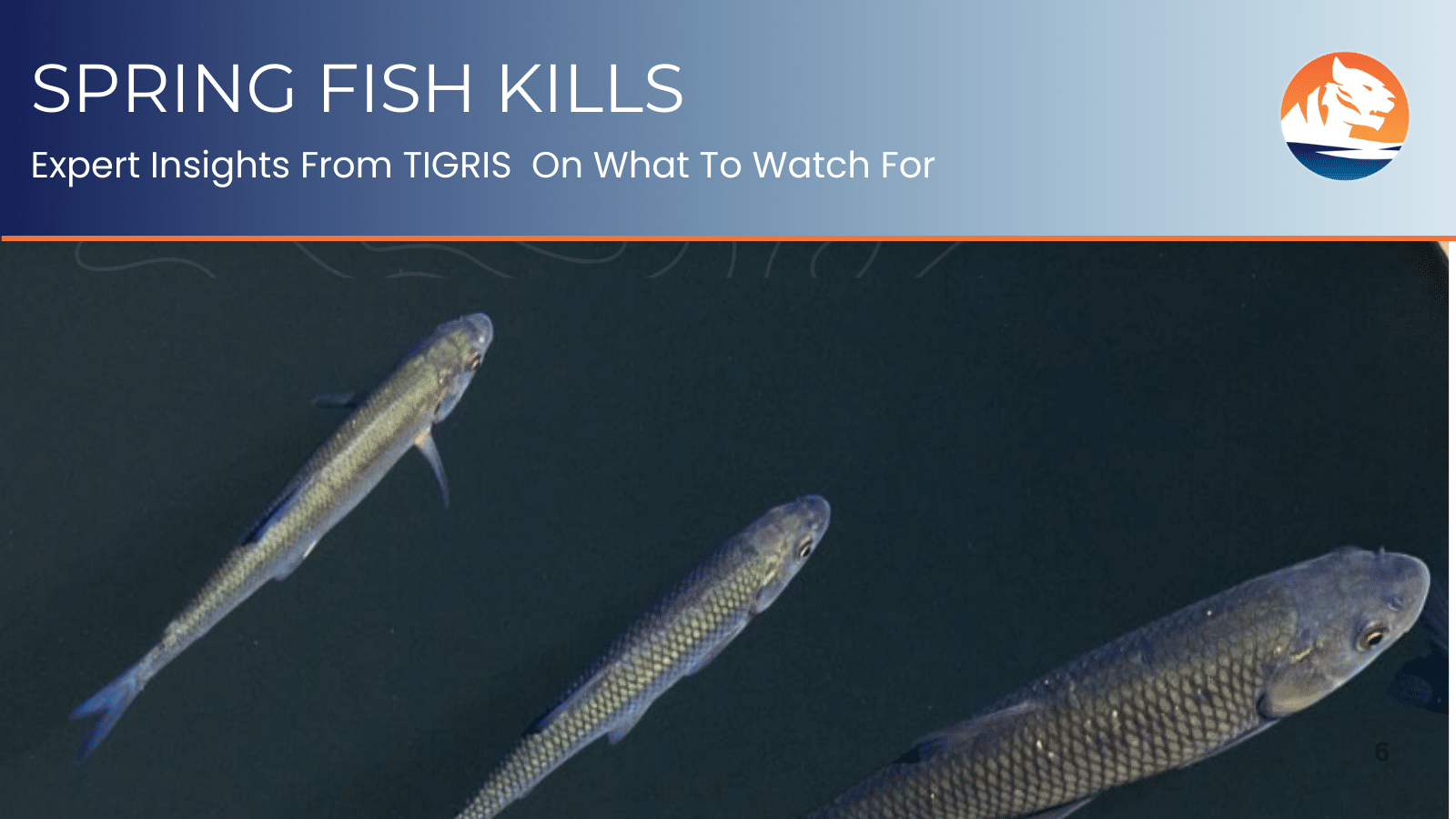
You’re taking your morning walk, coffee in hand, when you notice something unusual, several fish floating at the surface of the neighborhood pond. It’s unsettling. What happened? Is something wrong with the water?
Here’s the good news: what you’re seeing is likely a natural event called a fish kill, and while it looks alarming, it’s usually not the crisis it appears to be.
Here at TIGRIS, we get calls about this all the time, especially as we move through February and March. And here’s what we tell folks: that scene you’re looking at? It’s almost always Mother Nature doing her thing, not an environmental catastrophe. In fact, most fish kills only impact a small percentage of the total fish population, and the waterbody typically bounces back within a couple of years.
But understanding why it happens, and what’s normal for your slice of the country, can save you a lot of worry (and help you know when something actually is wrong).
The Tale of Two Winters (and One Spring)
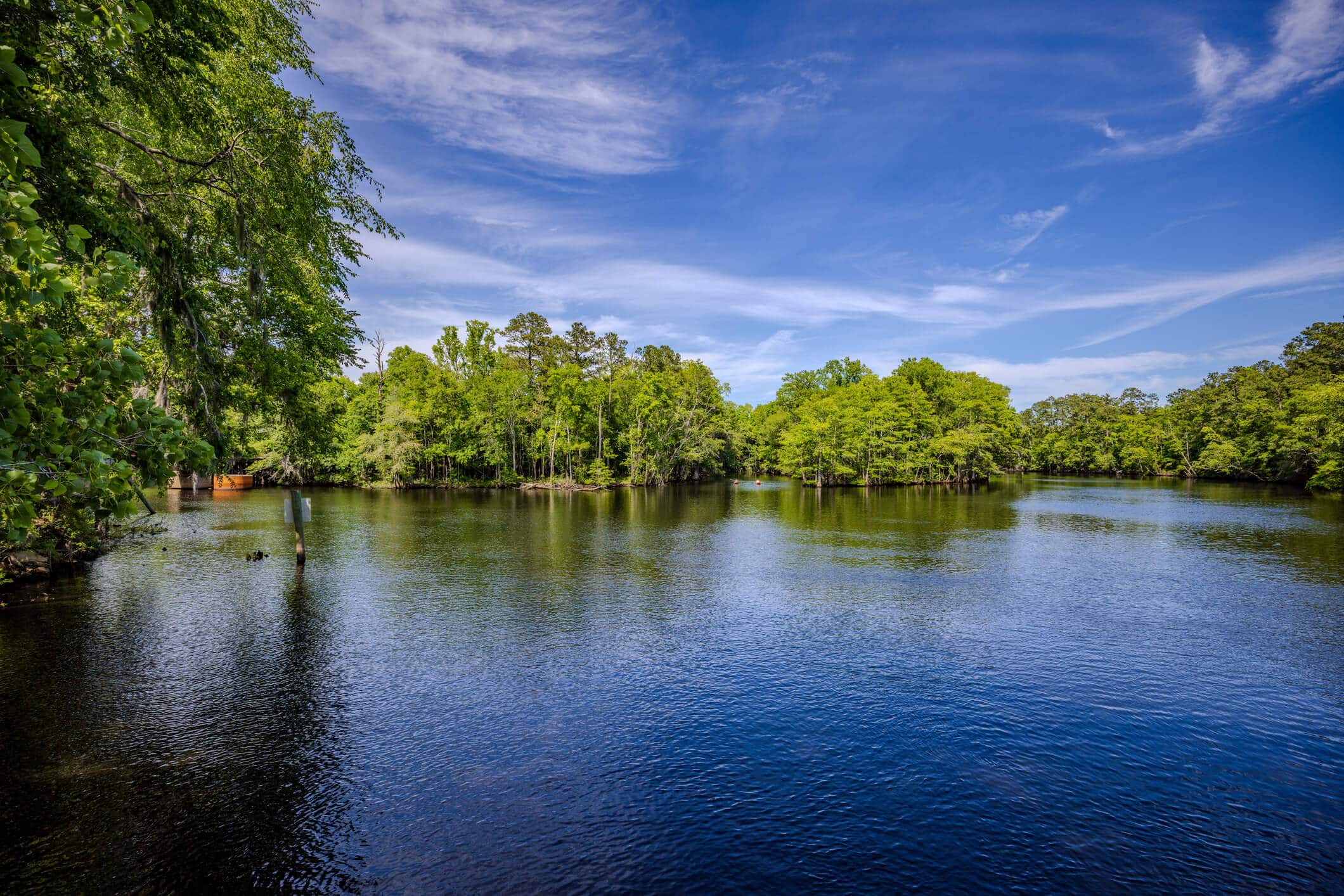
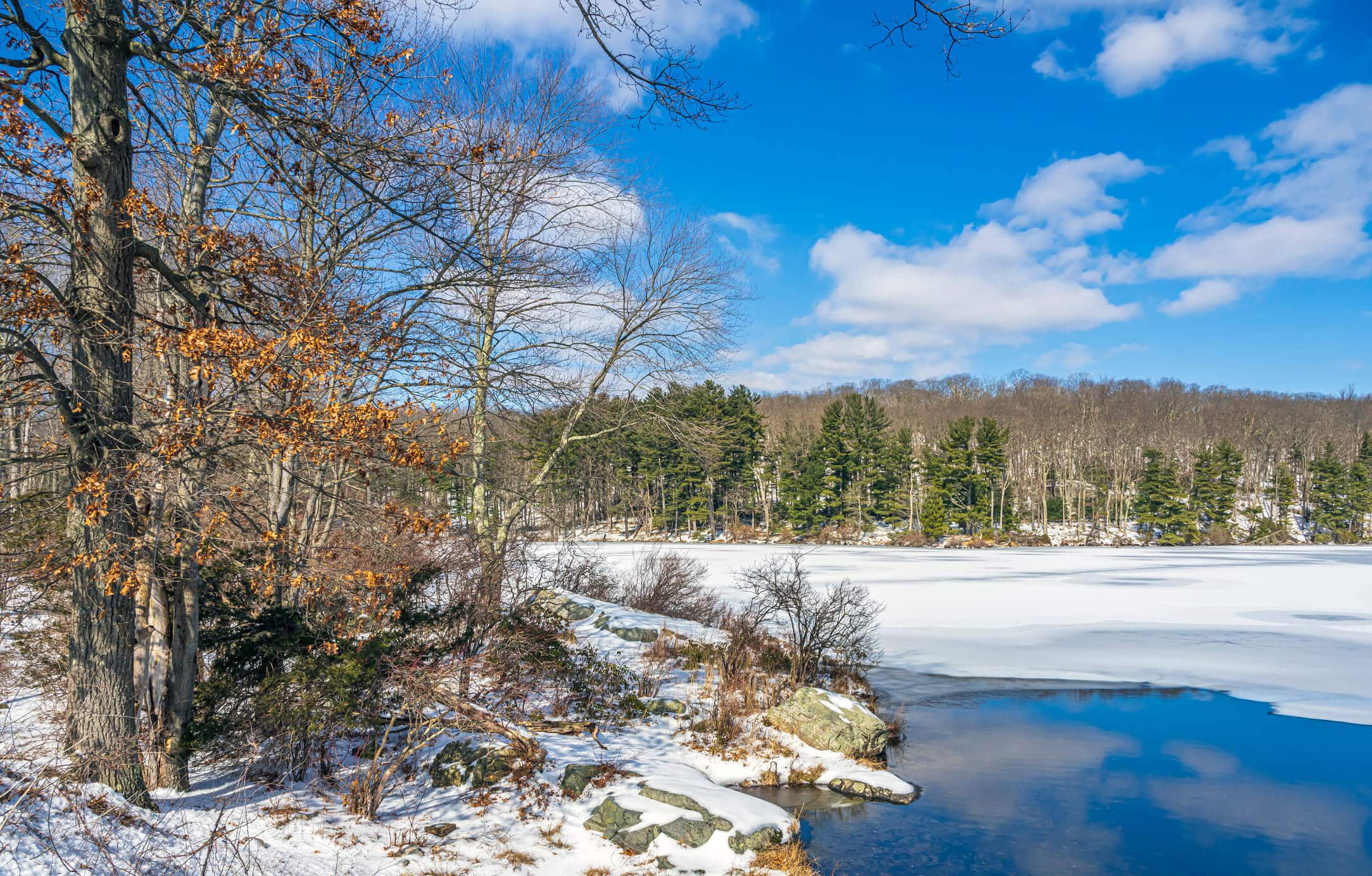
If you’re down South reading this while wearing shorts in March, your fish problems look different than your cousin’s up in Minnesota who are still waiting for the ice to melt. Let’s break it down.
For our Southern friends: Those tropical fish that have been happily living in your Florida ponds, the blue tilapia, the suckermouth catfish, even that prized Florida largemouth bass, they’re gambling every time a cold front rolls through. These fish evolved in warm water, and when temperatures drop fast (as they love to do in late February), their bodies simply shut down. It’s fish hypothermia. They hit what scientists call their “lower lethal temperature” and that’s it. You’ll also see casualties among snook, tarpon, and sea trout, especially in shallow areas where the temperature drops hard and fast. The fish that do survive often look rough for a while, stressed, fighting off infections, showing sores. They’re the lucky ones.
Up North and in the Midwest: You’re playing a different game entirely. All winter long, your ponds and lakes have been locked under ice. No oxygen getting in from the air. No sunlight reaching those algae and plants that usually produce oxygen during the day. Everything under that ice has been slowly suffocating. Come late February and March, as things start to thaw, you might see the consequences of those long, dark months. Plus, those first warm sunny days trigger algae blooms. Great, right? Except when a string of cloudy days follows and suddenly those algae are consuming oxygen around the clock without producing any. It’s like running a marathon while holding your breath.
The Oxygen Problem
(Because Everything Comes Back to Breathing)
Most fish kills, whether you’re in Florida or Illinois, come down to one thing: not enough dissolved oxygen in the water. And there are more ways for this to happen than you might think.
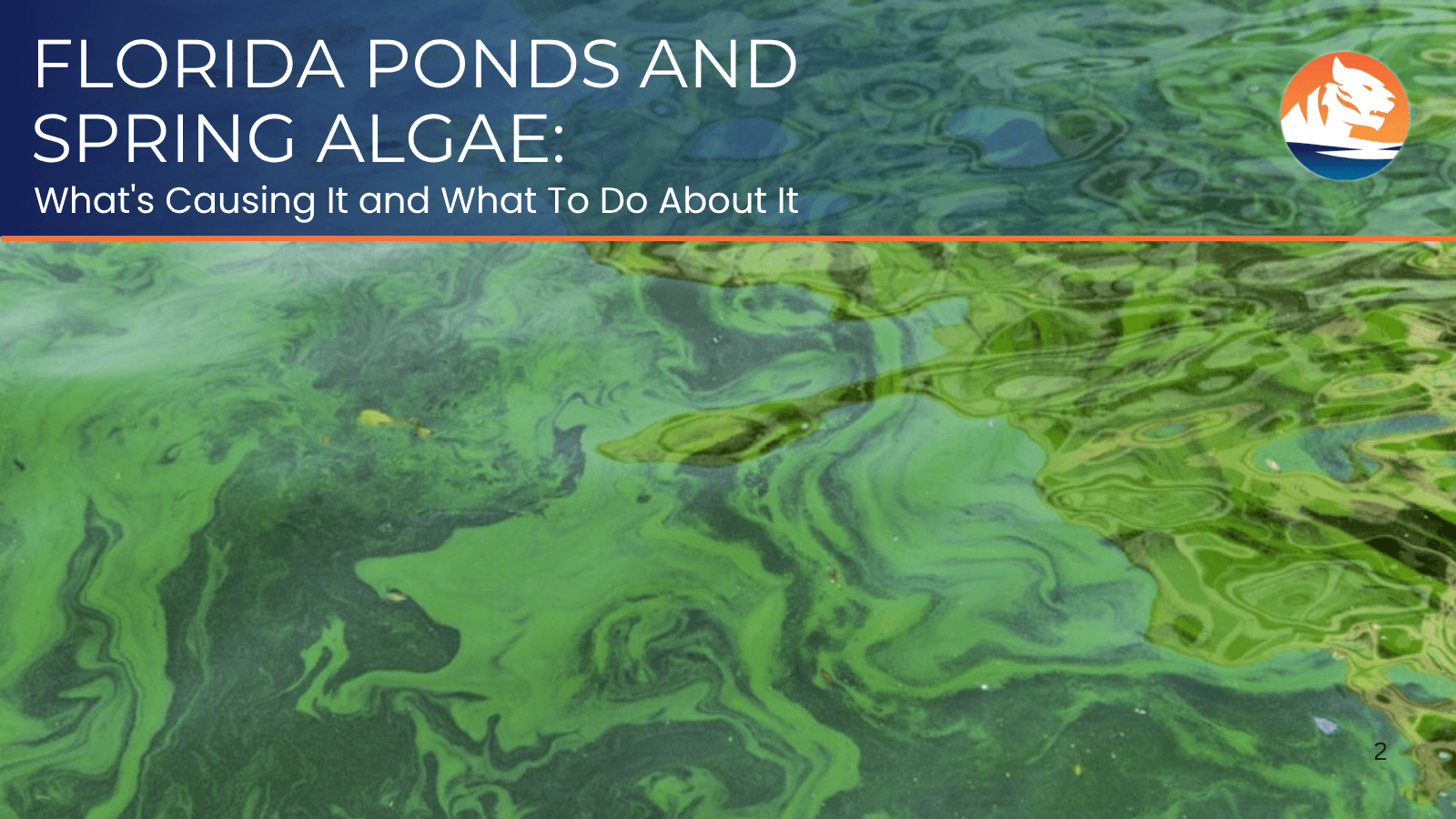
When that pond turns bright green with algae (we’re talking chlorophyll levels over 100 micrograms per liter, for you numbers people), you’re basically looking at a ticking time bomb. All that algae eventually dies and decomposes, and decomposition is an oxygen hog. The same thing happens when aquatic plants die off in big numbers, whether from winter, herbicide treatment, or just their natural life cycle. That’s why responsible pond managers only treat small sections at a time and use slow-acting herbicides. They know what happens when you kill everything at once.
The Weather Wild Card
And here’s something that catches people off guard: a week of overcast skies during warm weather can crash your oxygen levels. Plants and algae are like solar panels, they need sun to produce oxygen. But they consume oxygen 24/7, cloudy or not. A few sunless days in a row and you’ve got fish gulping at the surface like they’re trying to breathe your air. Because, honestly, they are.
Oh, and warmer water? It holds less oxygen than cold water. Just one more reason summer and late spring keep us busy.
If you come across a fish kill, you can actually be a huge help by paying attention. Grab your phone and start documenting:
What kinds of fish are dead? What sizes? Are the turtles and crayfish okay, or are they belly-up too? (If everything’s dead, that points to pollution. If it’s just fish, probably oxygen or temperature.) Are the living fish acting weird, hanging at the surface, swimming lethargically, literally jumping onto the bank to escape bad water? What’s the weather been like? Has it been unseasonably cold, hot, or cloudy?
These details help your state wildlife agency figure out what happened. And yeah, call them if you see something significant. They’ve seen it all, and they can tell you if this is “Tuesday in fish world” or actually concerning.
Oh, and warmer water? It holds less oxygen than cold water. Just one more reason summer and late spring keep us busy.
The Good News (Yes, There Is Some)
Look, we’re not going to sugarcoat it, fish kills are common, hard to predict, and even harder to prevent in large waterbodies. You can’t exactly aerate a 100-acre lake when oxygen levels drop.
But here’s the thing: for every dead fish you see, there are usually many more alive. Fish are incredibly good at finding refuges, deeper water, spots with better oxygen, anywhere conditions are just a bit better. And fish reproduce like, well, fish. They lay thousands of eggs. Populations recover surprisingly fast.
If you own a pond, you’ve got options: aeration systems, careful vegetation management, reducing nutrient runoff that feeds algae growth. Small waterbodies you can actually manage. But the big stuff? That’s just nature running its course.
The Bottom Line
As we move through late winter into early spring, you’re going to see fish kills. In Florida, watch for those cold snaps. In the Midwest and North, pay attention as the ice melts and those first warm days arrive. In between? You get a bit of both.
The key is knowing what’s normal for your area versus what’s not. A hundred dead tilapia after a hard freeze in Florida? It is unfortunate but it is natural. A thousand fish of all species and sizes, plus dead turtles and a chemical smell? That’s when it’s time to call in people who can help.
Mother Nature can be harsh, but she’s also resilient. Those waterbodies have been through this for thousands of years, and they’ll keep bouncing back. Your job is just to keep an eye out and know when to worry versus when to just let the ecosystem do its thing.
And maybe skip the morning walk that particular day. Nobody needs that much nature with their coffee.