Share:
Ready to Get Started?
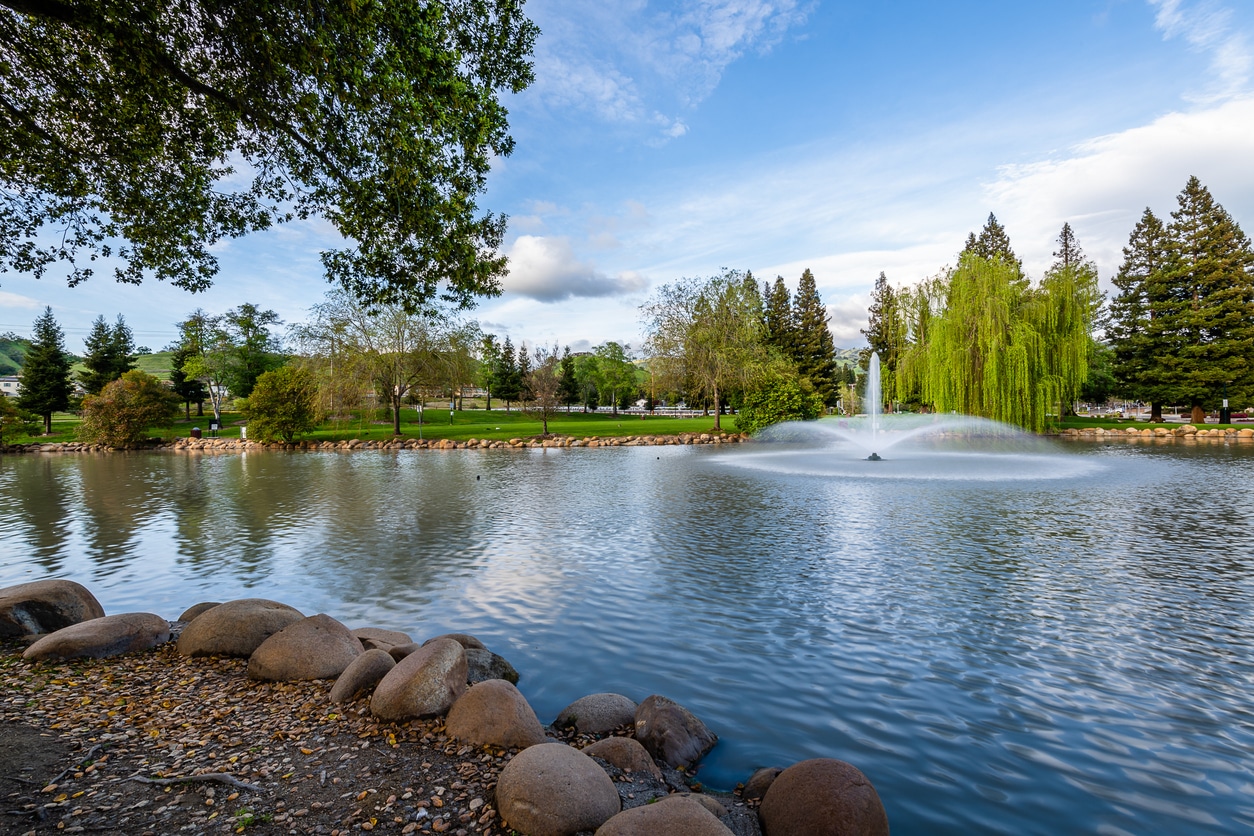
Let us assess your shoreline and recommend the right solution for your landscape, your community, and your goals.
Shoreline erosion isn’t just an eyesore—it’s a complex environmental issue that affects property stability, water quality, and ecosystem health.
If you manage a waterfront property—or simply call one home—you’ve likely noticed the telltale signs: bare soil along the bank, thinning vegetation, murky water after a storm. These indicators are more than aesthetically problematic, they’re the symptoms of shoreline erosion—and when left unchecked, the consequences go far beyond curb appeal.
Understanding Shoreline Erosion:
What Causes It?
Shoreline erosion is a natural process—but today, it’s accelerated by human activity and increasingly unpredictable weather patterns. Common offenders include:
- Storm runoff and poor drainage
- Boat wake and wave energy
- Removal of native vegetation
- Improper grading or shoreline development
- Water level fluctuations and flooding
Over time, these common and reoccurring forces can wash away soil, collapse banks, and degrade water quality—resulting in costly damage, safety concerns, and loss of property value.
Here’s what happens when you prioritize shoreline stabilization and restoration:
- You protect your investment – Every foot of shoreline lost is square footage gone from your property, often permanently. Stabilization restores that important real estate.
- You reduce maintenance headaches – Proactive solutions reduce the need for recurring fixes, drainage repairs, or emergency responses after every storm.
- You support water quality and biodiversity – Vegetated buffers trap nutrients like phosphorus, improve clarity, and provide critical habitat for fish, frogs, and pollinators.
- You improve safety and curb appeal – Stable, green shorelines create safer spaces for residents, guests, and communities—especially around walkways or recreational areas.
Every foot of shoreline lost equates to a permanent reduction in property and ecological function.
Investing in proactive shoreline stabilization isn’t just preventative—it directly protects the asset value of the land and reduces the need for reactive, more expensive fixes later on.
Today’s Shoreline Solutions:
A Science-Based, Site-Specific Approach
Gone are the days when “riprap or bust” was the only answer. Today’s erosion control solutions blend natural aesthetics with structural performance.
Some of the most effective approaches include:
Vegetated Buffers
Strategically planted native grasses, shrubs, and trees form the first line of defense. Native species with deep roots improve soil cohesion and support increased filtration, while dense plantings help slow runoff and trap pollutants before they reach open water.
Buffer strips as narrow as 15–30 feet can significantly reduce erosion and nutrient runoff.
Structural Reinforcements
In high-impact environments or where slopes are steep, structural measures can become necessary. Common structural applications include:
- Riprap (large stones) to absorb wave energy
- Geotextile fabric to prevent soil migration
- Coir logs or mats, biodegradable options that provide initial structure while plants establish
These reinforcements function as engineered barriers, creating stability where natural processes cannot keep pace with erosive forces. They are especially valuable near docks, shorelines exposed to heavy boat traffic, or areas where infrastructure is at risk of failing.
Bioengineering Strategies
Bioengineering brings together structural stability and ecological function. These methods integrate engineered elements with living plant material to create shorelines that are both resilient and regenerative. Examples include:
- Live staking, where cuttings of native woody plants are driven directly into banks to root and stabilize
- Brush layering, which stacks branches and soil in alternating layers
- Joint planting, inserting plants into voids of riprap to encourage vegetation growth through hardscape
Unlike strict structural solutions, bioengineering systems evolve over time. As the vegetation matures, root networks strengthen the soil, provide habitat, and improve water quality, while the initial structural components offer stability during establishment. The result is a shoreline that functions as a living barrier, capable of adapting to changing conditions. While this approach will require ongoing stewardship of the vegetated shoreline, it truly provides the best of both worlds.
The key is selecting the right mix based on site conditions, impact exposure, and regional regulations—which brings us to a critical point…
Regulatory Considerations:
Permits, Compliance & Best Practices
Shoreline restoration projects often intersect with regulated environmental zones—particularly around public lakes, wetlands, or streams. Most states require permits for any activity below the Ordinary High Water Mark (OHWM). Permitting has shifted to encourage low-impact and nature-based solutions, especially those that protect habitat, reduce runoff, and demonstrate sustainability.
The Impact of Shoreline Restoration – Let’s Look at the Numbers
Scientific studies consistently show that restored, vegetated shorelines:
- Reduce sediment runoff by up to 75%
- Cut phosphorus loading by as much as 50%
- Improve water clarity and aquatic habitat
- Reduce maintenance frequency and cost compared to hard-structure-only solutions
These outcomes translate directly into healthier lakes, ponds, rivers and streams, improved recreational and property value, and lower long-term management costs.
Don’t Wait for the Next Storm – What You Can Do Now About Your Shoreline
Whether you’re managing multiple communities or watching your backyard shoreline slowly vanish, erosion is one of those problems that doesn’t fix itself. In fact, it compounds over time—until the cost to fix it is far greater than the cost to prevent it.
So, if you’ve noticed changes—or even if you haven’t looked closely in a while—now’s the time for an assessment.
For Homeowners:
Reinforcing your shoreline now can protect your yard, your view, and your peace of mind before the next big rain event rolls through.
- Evaluate your shoreline annually—particularly after heavy rain or ice melt.
- Avoid mowing to the edge. Allow native vegetation to grow.
- Consider planting a buffer or consulting with a restoration expert if you notice loss of soil or exposed roots.
For Property Managers:
Addressing erosion protects your budget, reduces liability, and preserves the amenities your residents expect. Bonus: sustainable shorelines enhance property value and reduce ongoing maintenance.
- Conduct a shoreline assessment across all managed communities.
- Integrate shoreline stabilization into stormwater planning and infrastructure budgeting.
- Prioritize high-risk areas, such as community docks, walkways, or retention ponds.
How TIGRIS Can Help
TIGRIS works with property owners, managers, and municipalities to design and implement shoreline stabilization and restoration strategies that are both ecologically sound and structurally effective.
- Restore eroding shorelines
- Enhance water quality and biodiversity
- Minimize liability and infrastructure loss
- Comply with permitting requirements
We tailor solutions to the specific needs of each site—whether that calls for native buffers, bioengineering, or structural reinforcement. Let’s protect what matters—before it washes away.
Related Posts
Stormwater Management and Infrastructure
The Benefits Of Dredging