Serving 15+ states with regional hubs near you. Find Your Local Service Location

How To Get Rid of Hydrilla

Share:

Ready to Treat for Hydrilla?
Give us a call this spring and we’ll handle the rest.

Hydrilla is one of the most problematic aquatic weeds in the United States. It’s a fast-growing, invasive plant that can quickly take over ponds, lakes, and other bodies of water. Their dense mats choke out native vegetation and disrupt ecosystems, costing businesses, municipalities, and homeowners alike millions of dollars per year to remove. Because hydrilla can be such a costly and persistent issue, it pays to understand what it looks like and how you can properly control it.

What Is Hydrilla?

Hydrilla is an aggressive, submerged aquatic plant that was first introduced to the United States in the 1950s. Originally brought in as an aquarium plant, it quickly spread into natural waterways, where it has since become one of the most difficult aquatic weeds to manage.

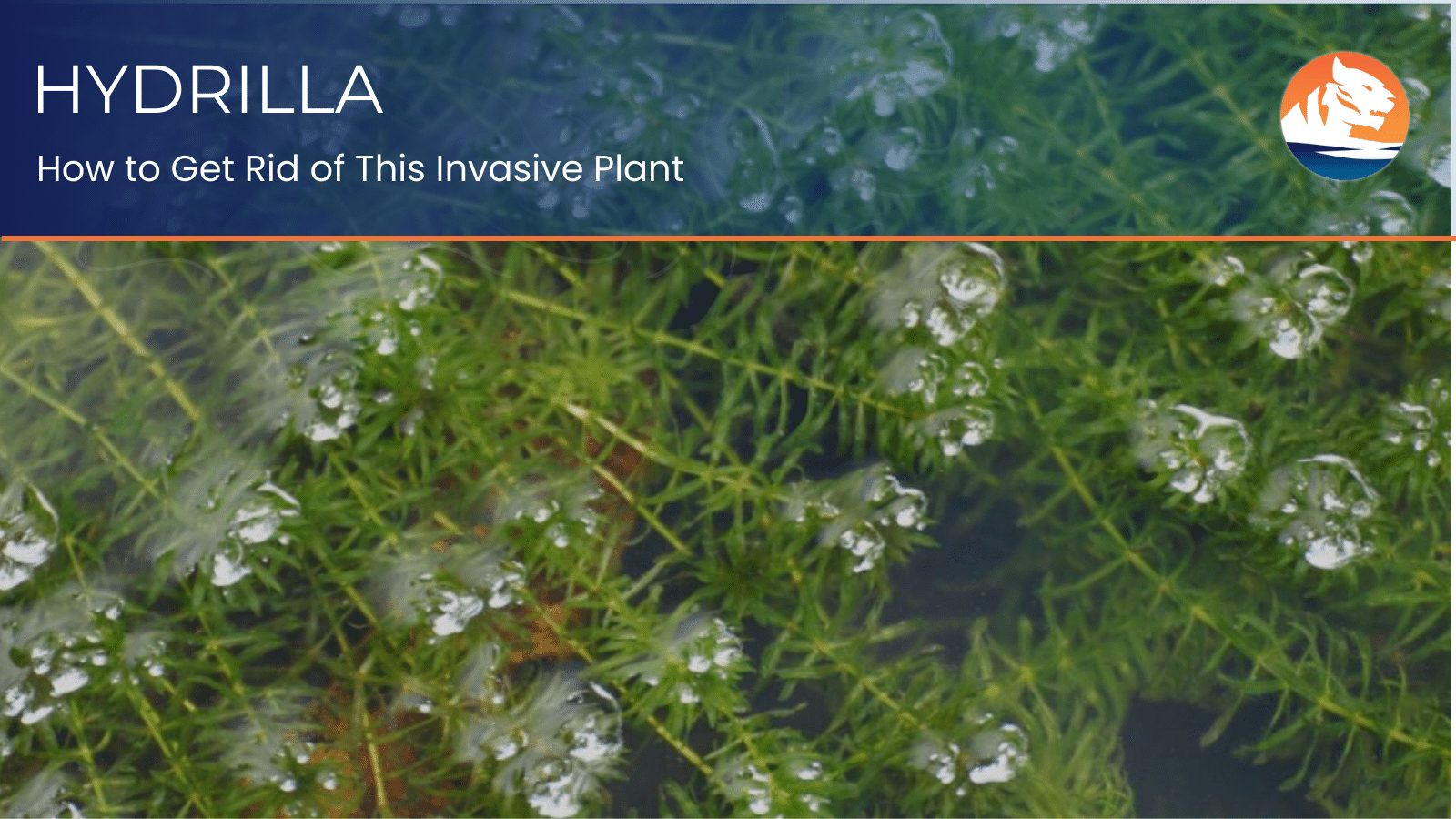
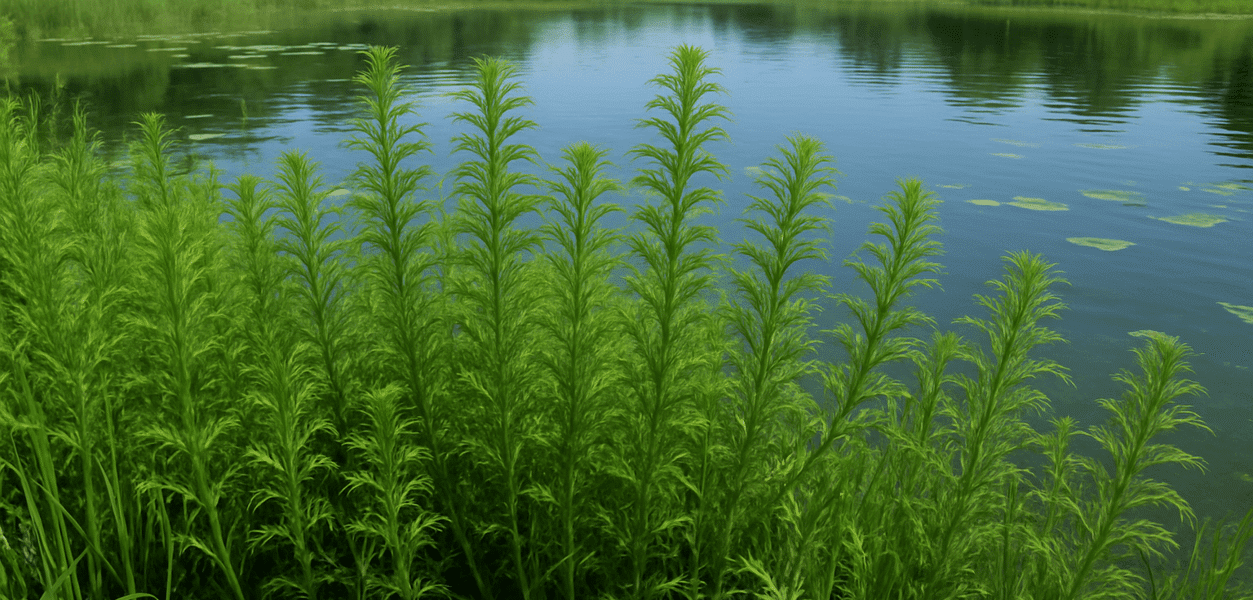
Hydrilla is easily identified by its long, slender stems that can grow over 25 feet in length. Its leaves are arranged in whorls of four to eight around the stem and feature small, sharp, teeth-like edges. This invasive plant thrives in both freshwater and brackish environments, tolerating a wide range of conditions.

Unlike many other aquatic weeds, hydrilla spreads through multiple means, including fragmentation, tubers, turions, and seed production. Even a small fragment of hydrilla can establish itself in a new location, allowing the plant to spread rapidly. This aggressive reproductive ability is what makes it so difficult to eradicate. Without proper hydrilla control methods in place, the weed can take over an entire body of water in just a few seasons.

Why is Hydrilla a Problem?

Destroy Ecosystems

Because hydrilla can grow about an inch per day, it doesn’t take long before this aquatic plant becomes an ecological and economic threat. In fact, the weed is known to:

One of the biggest concerns with hydrilla is its impact on aquatic ecosystems. The thick mats of vegetation it creates can block sunlight from reaching native plants, ultimately killing them off. Without these native plants, fish and other aquatic life lose crucial habitats and food sources. Hydrilla also depletes dissolved oxygen levels in the water, which can lead to fish kills and create conditions that favor harmful algal blooms. To boost water quality and protect ecosystems, pond and lake owners should invest in effective control measures.

Interfere With Recreational Activities

If you enjoy boating, fishing, or swimming in ponds and lakes, the last thing you want is hydrilla ruining the fun. The dense growth of hydrilla can get tangled in the propellers of your boat. The plant’s long stems can catch fishing lures and even reduce the population of fish in the water. And swimmers may experience the unnerving sensation of the weeds wrapping themselves around their legs. Since this noxious weed can make recreational activities unpleasant and even hazardous, it’s important to consider implementing hydrilla control methods long before the weed makes itself known.

Lead To Costly Removal

Once hydrilla has taken hold of a body of water, removing it can be incredibly expensive. Municipalities and homeowners often spend millions of dollars annually trying to manage and control hydrilla infestations. Because of its ability to spread so rapidly and regrow from small plant fragments, eradication efforts must be thorough and ongoing to be successful. Without consistent hydrilla control in ponds and lakes, the plant will quickly return and continue to cause problems.

Affect Property Values

Homeowners with waterfront properties often see decreased property values when hydrilla infestations become severe. Since a pond or lake overrun with hydrilla is unattractive and limits recreational use, the property becomes less desirable to potential buyers. Thankfully, preemptive water treatments can help maintain property values and keep bodies of water in pristine condition.

Interrupt Water Flow

Hydrilla can also have serious consequences for water management systems. The thick mats of vegetation can block canals, drainage systems, and irrigation channels. Controlling hydrilla in these waterways is essential to maintaining proper water flow and preventing costly damage from flooding.

Harm Fish Population

While hydrilla may initially seem like a good habitat for fish, it often creates an environment that is unsuitable for them in the long run. As hydrilla overgrows, it reduces oxygen levels in the water, making it difficult for fish to survive. Additionally, when large amounts of hydrilla die and decompose, they further deplete oxygen, leading to massive fish kills. Proper hydrilla control is necessary for a balanced and healthy aquatic ecosystem.

Top Ways To Get Rid Of Hydrilla

If you’re dealing with a hydrilla infestation, it’s important to take action before it spreads further. Here are some of the most effective ways to get rid of hydrilla in ponds and lakes:

Mechanical Removal: Mechanical removal involves physically cutting and harvesting the hydrilla from the water using specialized equipment. While mechanical removal provides immediate results, it is not a long-term solution since hydrilla can regrow from small fragments left behind. To prevent reinfestation, mechanical harvesting should be combined with other biological and chemical techniques.

Biological Control: As a long-term solution to managing hydrilla plant growth, many property owners opt to use biological control methods. For example, they may stock their ponds with certain species of fish. Triploid grass carp is an excellent choice because it feeds on aquatic vegetation. Of course, the fish must be carefully managed to prevent them from consuming native plant species as well. It’s also important to note that grass carp can’t eradicate hydrilla completely, especially when the pond or lake is heavily overrun.

Chemical Control: Using EPA-approved aquatic herbicides is one of the most effective ways to treat hydrilla. These herbicides target the weed at its root system, preventing regrowth. Depending on the severity of the infestation, multiple treatments may be required.

As with any use of chemical treatment, it’s important to select the correct herbicide and application method to avoid harming native plants and aquatic life. Aquatic weed management professionals can help ensure herbicide treatments are applied safely and effectively.

Save Money By Preventing Hydrilla In The First Place

One of the best ways to manage hydrilla is to prevent it from overgrowing in the first place. By using Fluridone formulations, our experts at TIGRIS can help prevent chronic infestations that typically emerge in the summer months. We introduce this selective, systemic herbicide at the end of February to allow the product to be fully active when plants begin to grow in the spring. This proactive approach not only prevents hydrilla from reaching uncontrollable levels but also saves businesses, municipalities, and property owners from costly removal efforts later in the year.

Hydrilla Taking Over? We Can Help!​

Is hydrilla getting caught on your boat propeller or killing off your fish population? If so, it’s time to take action before the problem gets worse. At Aquagenix, we specialize in hydrilla control and can help you reclaim your water body, whether that includes timely water treatments, fish stocking, or even aquatic planting. Ask our team of experts for a solution that meets your needs and your budget today!

Related Posts
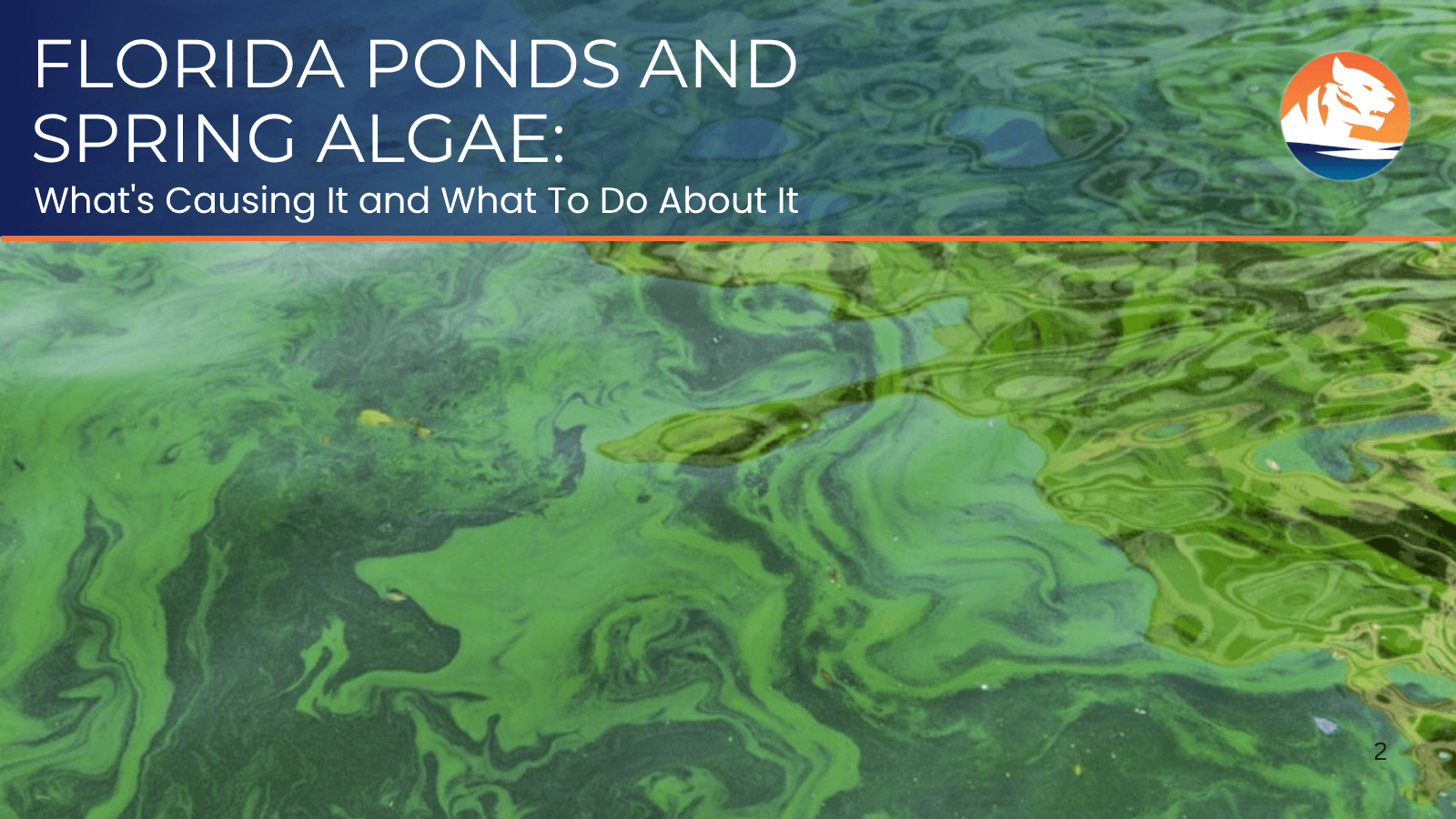
Algae Control In Florida
Pond Dyes

Winter Weed Abatement- Bad Format

Scroll to Top

Jen Biancalana

N/A
N/A
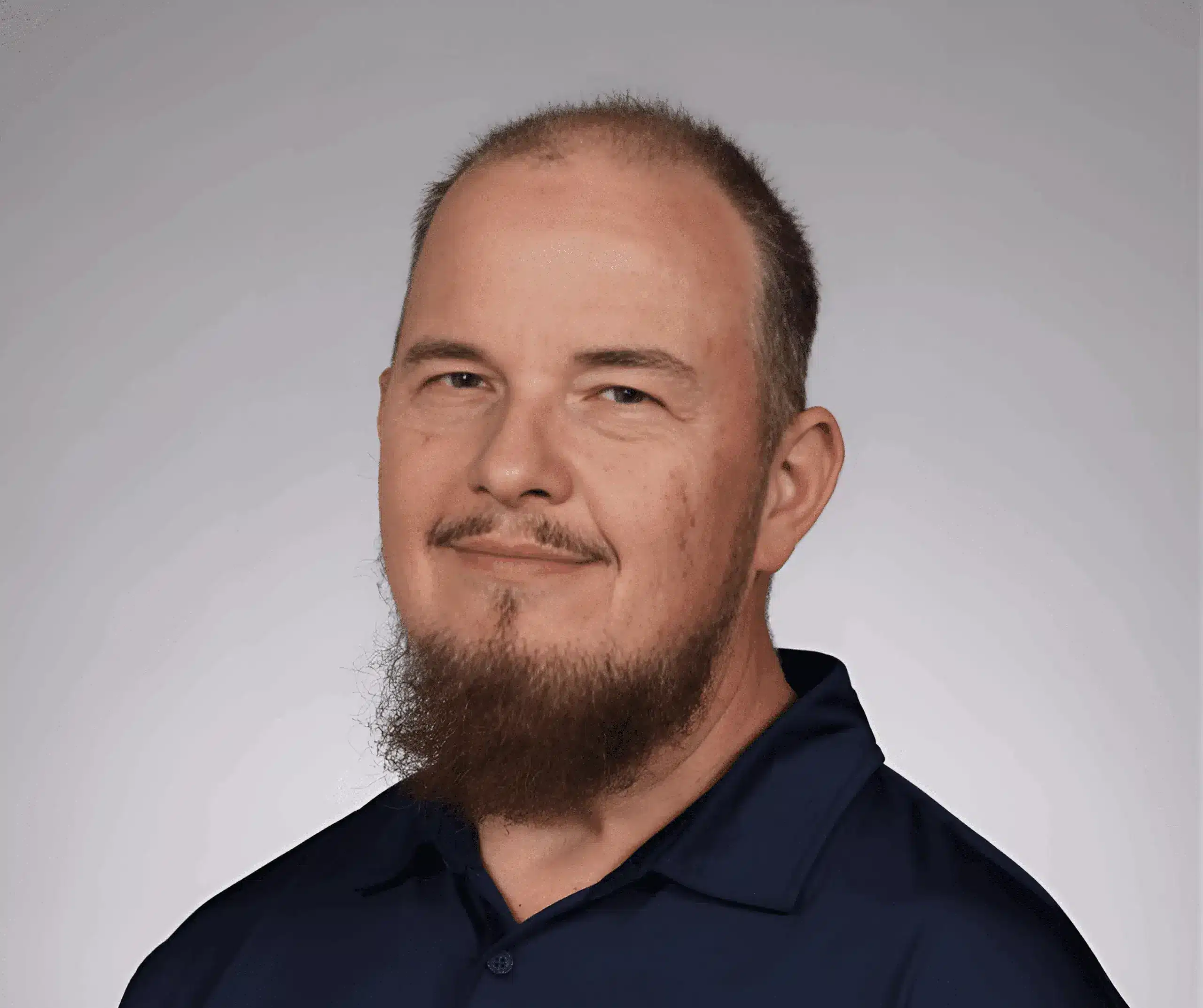
A middle-aged man with a trimmed beard and short hair, dressed in a dark collared shirt, poses confidently in front of a plain gray background, embodying the professionalism of pond management.

Darin Higgins

Director of Sales, Southeast
Darin Higgins is a visionary leader with over 18 years of expertise driving growth in sales, business development, and talent management across the pest control, aquatics, and green industries. As Director of Southeast Sales at TIGRIS, he leads strategic expansion efforts, cultivates impactful partnerships, and empowers a top-tier team of Business Development Managers to consistently exceed sales goals. Known for his ability to elevate performance, build entrepreneurial cultures, and reduce turnover, Darin has held key roles such as Director of Business Development and Regional Business Development Manager at Aquagenix, a 30-year-old Florida based company, now part of the TIGRIS family.

A Certified Pest Control Operator and Green Industries BMP Instructor, he combines 22 years of hands-on green industry experience with mastery in needs-based sales, strategic planning, and digital marketing. Darin’s results-driven approach blends innovative leadership with practical expertise, delivering exceptional outcomes in fast-paced, deadline-oriented environments. His track record of fostering collaboration and executing high-impact initiatives solidifies his reputation as a transformative force in the industries he serves.

Aaron Powery

Vice President of Operations, Florida
With over 25 years of leadership in the environmental sector, Aaron Powery combines operational excellence, strategic vision, and a passion for sustainability to drive growth and innovation. As VP of Operations in Florida, he spearheads initiatives that expand service territories, enhance market presence, and deliver measurable environmental and financial outcomes.

James Stone

Operations Manager, Peachtree City, GA
James is expanding the TIGRIS brand in the Southeast, with just over five years in the aquatics industry, including a position at Aquascape Environmental. James holds a Bachelor of Science in Biology from The University of West Georgia and is a licensed pesticide applicator in Georgia.

Matt Troxler

Operations Manager, Woodstock, GA

Matt leads a team of specialists and service technicians, ensuring they are provided with the best training, equipment and leading-edge products and technologies to maintain our customers’ lakes and ponds while ensuring fast response times to clients’ needs. In fisheries, Matt develops sustainable, balanced fish populations and implements natural aquatic vegetation control. Matt has over 14 years of professional experience in lake and pond management, aquatic vegetation control, fisheries management, customer relations and sales. He holds a Bachelor of Science in Wildlife and Fisheries Science from Tennessee Tech University.

Wade Weikart

Operations Manager, Carol Stream, IL
At TIGRIS, Wade is focused on building the industry’s most experienced operations team and aeration service center. Wade has over ten years of experience in the aquatics industry. Before TIGRIS, Wade worked for Clarke Aquatic Services, serving as the fountain and aeration supervisor. Wade is a veteran of the United States Air Force, where he served as an aerospace ground equipment and generator mechanic. Wade is certified in electrical, hydraulic, mechanical and pneumatic systems.

Joe Haufle

Vice President of Sales, Midwest
Joe balances a top-tier sales and service operation at TIGRIS, delivering an exceptional customer experience while creating organic growth strategies. With over 25 years of experience in leadership positions within the environmental services and public health sectors, Joe brings a vast knowledge of corporate strategy, operations management and business development to our team. Prior to joining TIGRIS, Joe held several leadership positions in operations management, sales and business development for Clarke Aquatic Services and NSMAD. Joe has been a certified applicator since 1998 and is a published author on HAB management, aeration system design and watershed management. Joe holds a Bachelor of Arts from the University of Illinois Chicago and a certificate in sustainable business management from Case Western Reserve University.

Sonja Wixom, CLM

Business Development Manager NE
Sonja Wixom is an accomplished Certified Lake Manager (CLM), the highest designation in lake management recognized by the North American Lake Management Society (NALMS). With a Master of Science in Lake Management from the State University of New York, Sonja combines her extensive knowledge with hands-on experience in aquatics and conservation biology. As a Lake Manager and Limnology Educator, Sonja is committed to advancing the industry through her involvement in professional presentations and environmental initiatives. At TIGRIS, she plays a vital role in the Great Lakes Region, providing invaluable expertise to address Minnesota and Wisconsin’s unique aquatic vegetation management and water quality improvement needs.
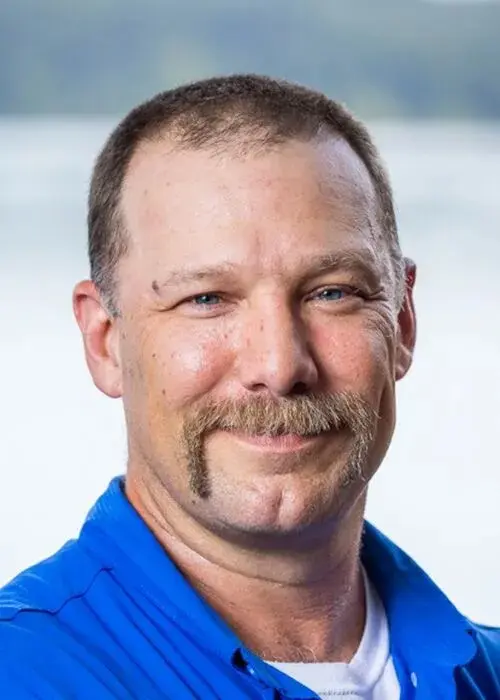
A man with short brown hair, a mustache, and blue eyes smiles at the camera. He is wearing a blue collared shirt, perfect for a day of pond management. The background is softly blurred.

Paul Slovisky

Director of Operations, Atlanta, GA
Paul oversees the day-to-day activities of both our Lake and Pond Management department and our Stormwater Infrastructure Maintenance and Repair department. Paul coordinates with various regional department heads and supervisors to ensure all aspects of our team have what they need to function as an industry-leading, nationwide stormwater service provider. Paul has over 25 years of leadership experience in the surface water and stormwater management and restoration industries, including serving as VP of Operations at Aquascape Environmental. Paul holds a Bachelor of Science in Earth Science from Mercer University.
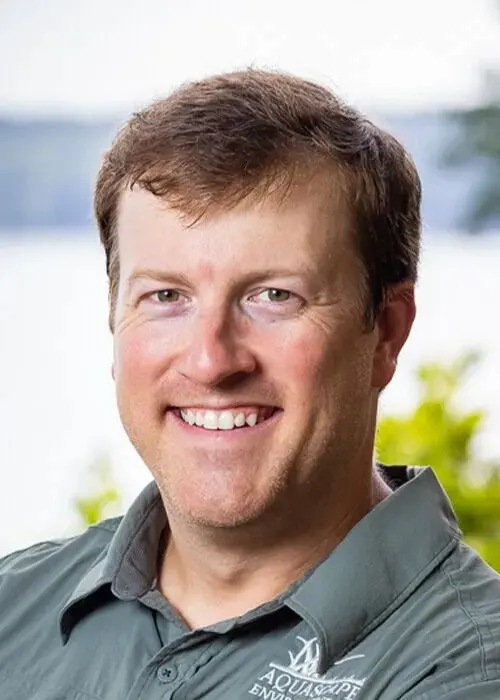
A man with short brown hair smiles at the camera, wearing a gray collared shirt with an "Aquascape" logo, outdoors with greenery and water in the background, reflecting his expertise in pond management.

Evan Carpenter

Director of Operations, Coastal Southeast Region
Evan is focused on increasing customer density and brand awareness throughout the region while elevating TIGRIS as the foremost provider of aquatic services. Before joining TIGRIS, Evan led the Lake Management Division for Aquascape Environmental (AE), an Atlanta-based environmental services company. Evan holds four Certified Commercial Applicator licenses across the southeast and a level 1 certification from the Georgia Soil and Water Conservation Commission. He also serves on the Advisory Committee for the Environmental Technology Department at Chattahoochee Technical College. Evan earned a Bachelor of Business Administration in Management from Valdosta State University.

Marty Miesko

Director of Business Development, Northeast Region
Marty Miesko is the Director of Business Development for the Northeast Region at TIGRIS, bringing over 30 years of expertise in lake and pond management. As the founder and former president of Natureworks Clearwater Associates, Inc., he established the company as a premier service provider and one of the largest fountain distributors in the Northeast. Marty is committed to strengthening our presence in the Northeast and enhancing our industry expertise. His dedication to excellence and customer satisfaction aligns seamlessly with TIGRIS’s values, making him an integral part of our team.

David Pullins

Chief Executive Officer Member, Board of Directors
David is propelling TIGRIS into an industry-leading, nationwide stormwater service provider, steering its rapid growth while fostering a high-impact culture. He has over 25 years of leadership experience in the water and environmental industries, spanning blue-chip global conglomerates, private equity portfolio companies, start-up ventures and mid-market companies. Before joining Plexus, David was the VP/GM at Clarke Aquatics and also spent 15 years at Pentair. David holds a Bachelor of Arts from The Ohio State University and an MBA from Vanderbilt University.