Serving 15+ states with regional hubs near you. Find Your Local Service Location

Zebra mussels first appeared in Lake St. Clair

Share:

Not sure what's driving the algae in your pond?

We’d love to take a look. Reach out to TIGRIS for a consultation.

Zebra mussels first appeared in Lake St. Clair (yellow star, north of Lake Erie), possibly from ship’s ballast water from the Black Sea region. They rapidly spread downstream with the current, and upstream and to other watersheds on boats, with bait, and by other man-mediated mechanisms.

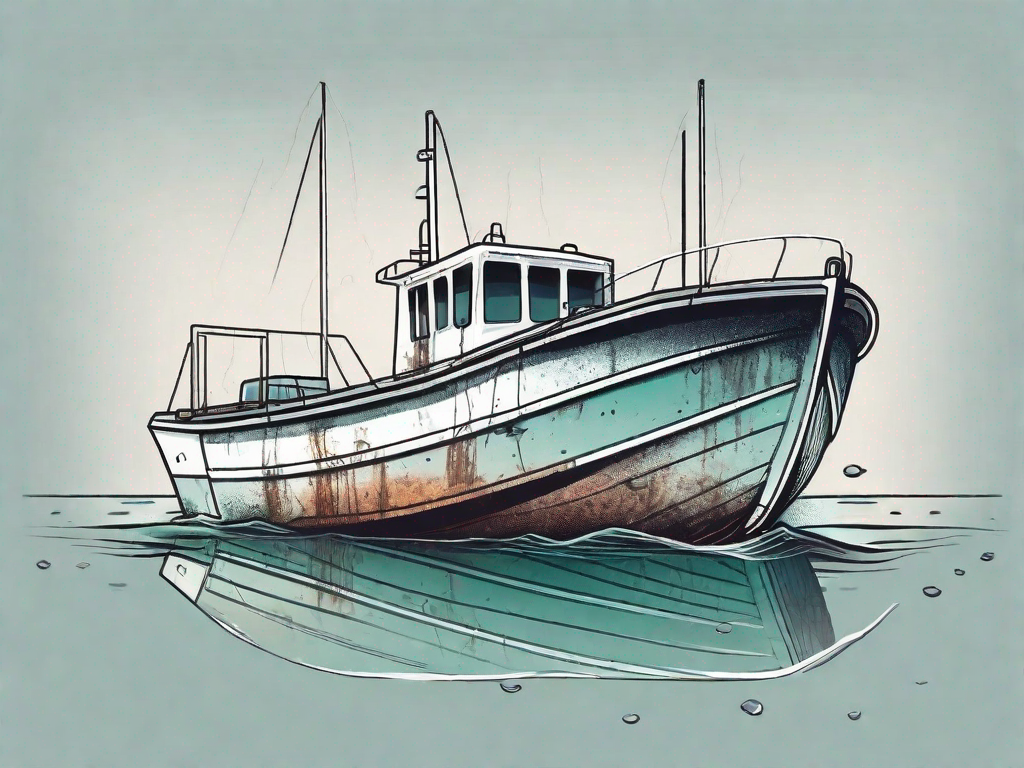
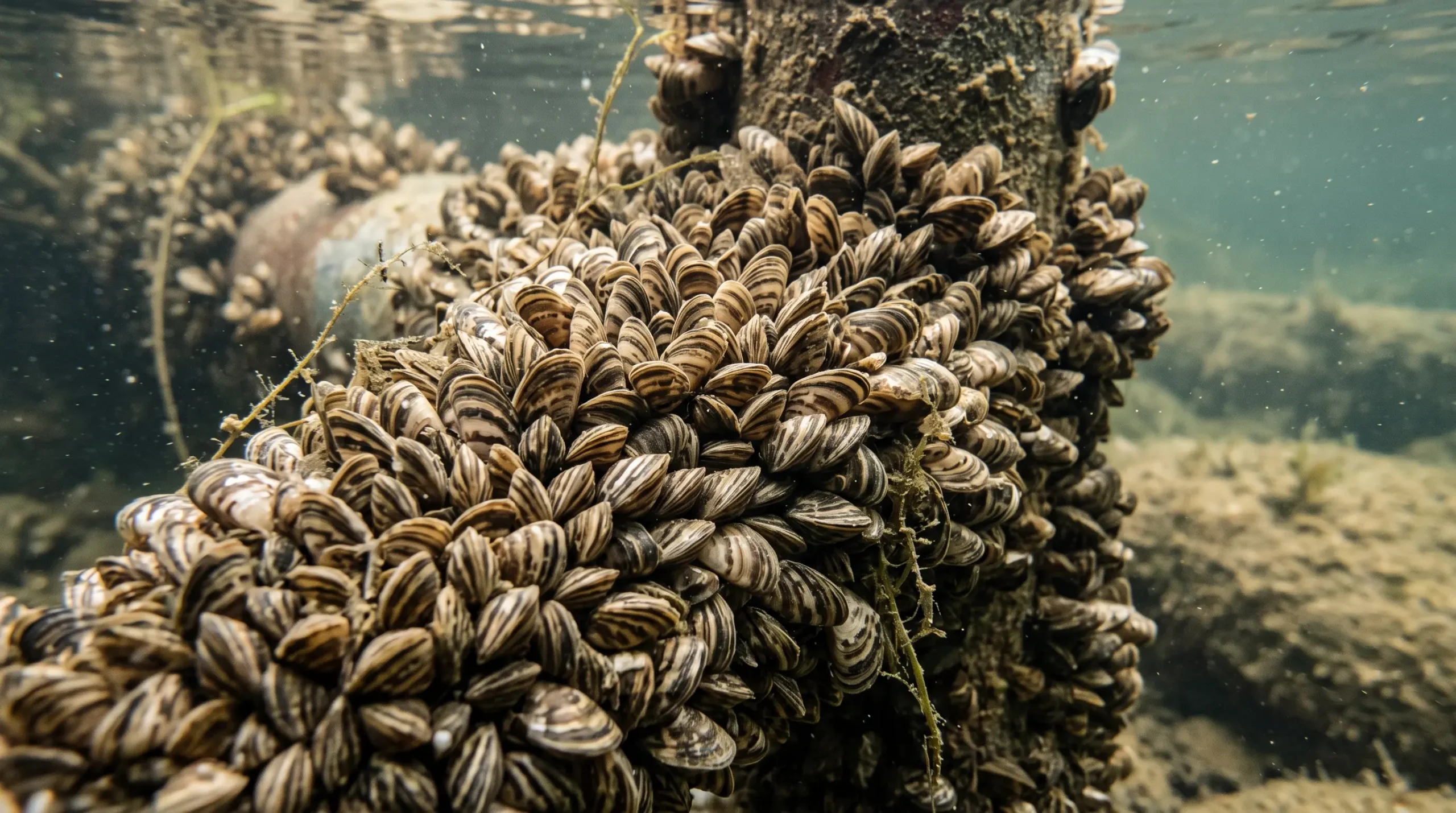
Our herbicides and algaecides do not affect the Zebra Mussels. Zebra Mussels pose significant social, economic and ecological concerns for the Great Lakes and other inland North American waters. The prolific mollusk tends to biofoul and restrict the flow of water through intake pipes, disrupting supplies of drinking, cooling, processing and irrigating water to the nation’s domestic infrastructure. The mussel also attaches to boat hulls, docks, locks, breakwaters and navigation aids, increasing maintenance costs and impeding waterborne transport.

Besides these commerce-related disruptions, heavy infestations of zebra mussels also can alter freshwater ecosystems, possibly defeating aquatic resource restoration and development efforts. First observed in the mid-1980s in Lake St. Clair, zebra mussels are not just a Great Lakes problem. Carried mainly by the normal flow of water and boat traffic, zebra mussels have already colonized the Hudson, Ohio, Illinois, Tennessee, Susquehanna, Mississippi and Arkansas rivers. Zebra mussels now inhabit 12 states and the Province of Ontario.
While the zebra mussel invasion and its immense impact on the Great Lakes ecosystem has focused attention on the issue, the introduction of non-indigenous (exotic) species is not a new problem. An estimated 130 non-indigenous species have been introduced to the Great Lakes, most of them arriving since the St. Lawrence Seaway opened in 1959. Several of these species – including the sea lamprey, alewife, smelt, carp and milfoil – have contributed to massive changes in Great Lakes fish and plant communities.

Nor is the introduction of non-indigenous species a problem isolated to the Great Lakes. An estimated 350 non-indigenous species of marine and estuarine plants and animals have been introduced to U.S. coastal waters. These invaders can be a serious threat to native biotic communities and important fish species.

Control and Prevention:

Most scientists believe that zebra mussels cannot be eradicated, so the goal now is to learn to control or accommodate them. Better strategies to prevent the spread of zebra mussels and the introduction of new species are required. The quagga mussel, believed to be a new species of zebra mussel, has been found in Lake Ontario, and it also is spreading. The vehicles for this spread are numerous and include the hundreds of thousands of recreational boats trailered to and from the Great Lakes each year, and commercial vessels moving between ports.

Ecological Impacts:

Zebra mussels are filter feeders. Each adult is capable of filtering a liter of water per day, removing almost every microscopic aquatic plant (phytoplankton or algae) and animal (zooplankton). Zebra mussel colonies in Lake Erie have reached astounding densities of 70,000 per square meter, and experts estimate that Lake Erie’s zebra mussel population filters the entire volume of the lake’s western basin once a week. The mussel has increased Lake Erie’s water clarity up to 600 percent and reduced some forms of phytoplankton, the basis of the lake food web, by as much as 80 percent. The increased water clarity has allowed light to penetrate deeper into the water column, allowing rooted aquatic vegetation to increase greatly in density. Bottom-dwelling (benthic) forms of algae appear to be increasing, as do several forms of insect-like benthic organisms. Researchers have also found that zebra mussels even colonize the shells of freshwater clams and have almost totally eliminated some native species in certain areas.

Because of the huge volumes of water they filter and their high body-fat content, zebra mussels accumulate about 10 times more PCBs and other toxic contaminants than native mussels. These contaminants are transferred up the food-chain to waterfowl and fish that eat zebra mussels. This potential to significantly affect contaminant cycling is of great concern in the Great Lakes, where health advisories already exist for consumption of some species of fish.

Impacts on Commerce and Industry:

Zebra mussels rapidly colonize water intakes, forming layers up to eight inches thick. Such infestations along Lake Erie have disrupted the water supply to Monroe, Mich., on several occasions. Millions of dollars are being spent annually by Great Lakes cities and industries to unclog intake pipes and prevent further infestation. Much research is underway to help in this endeavor, and more is needed. In collaboration with the Erie County Water Authority, Sea Grant-funded engineers are currently field-testing a cable-crawling, robotic submarine to locate zebra mussels in water intakes and perhaps to remove them as well.

Hot water has been shown to be an effective treatment for zebra mussels, but it is not always a practical alternative. Chlorine is probably the most popular treatment currently in use, but increased chlorination clearly contradicts the efforts of the Great Lakes community to reduce the amount of chlorine entering the ecosystem. Research has shown potassium, bromine, ozone and ultraviolet light to be possible alternatives to chlorine. More than 30 other compounds are also being studied to determine the effectiveness against zebra mussels and their environmental impact.

Our herbicides and algaecides do not effect the Zebra Mussels.
Related Posts

Unique Rhodamine Dye Study at Rush Lake: A Case Study

Sacrificial Anodes and Chemical Treatments: What really Impacts Corrosion?

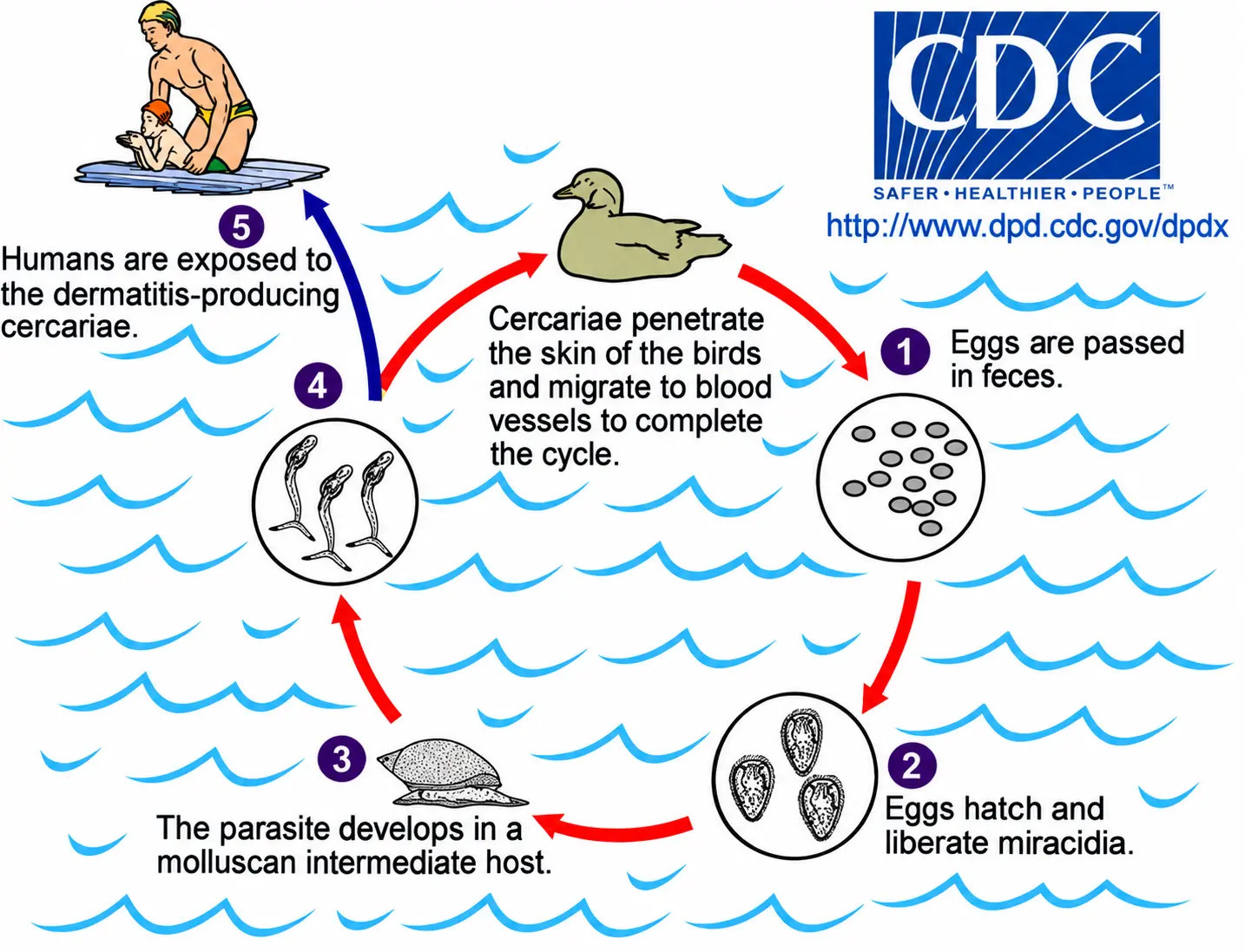
Everything You Need to Know About Swimmer’s Itch

Scroll to Top

Jen Biancalana

N/A
N/A
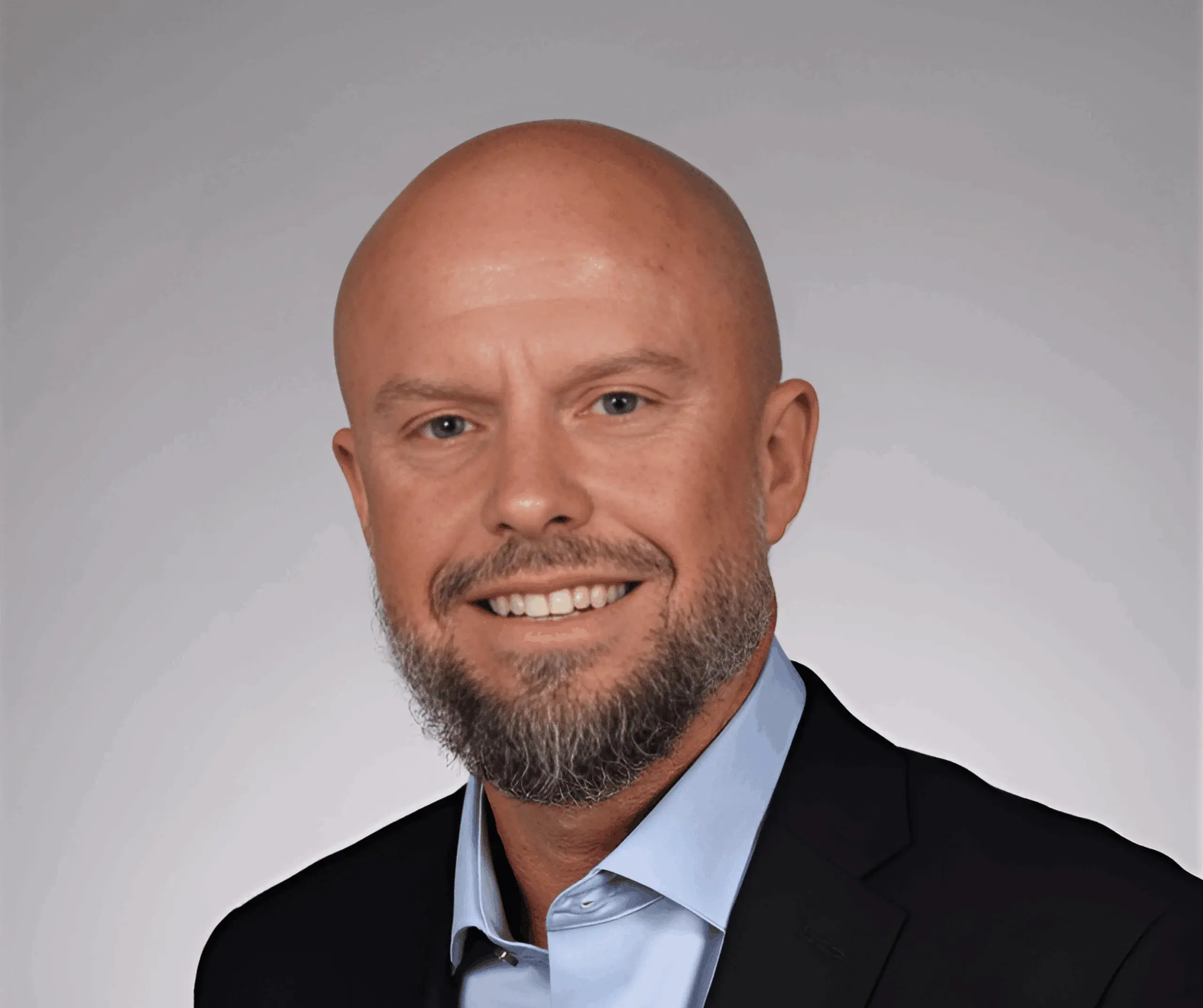
A middle-aged man with a trimmed beard and short hair, dressed in a dark collared shirt, poses confidently in front of a plain gray background, embodying the professionalism of pond management.

Darin Higgins

Director of Sales, Southeast
Darin Higgins is a visionary leader with over 18 years of expertise driving growth in sales, business development, and talent management across the pest control, aquatics, and green industries. As Director of Southeast Sales at TIGRIS, he leads strategic expansion efforts, cultivates impactful partnerships, and empowers a top-tier team of Business Development Managers to consistently exceed sales goals. Known for his ability to elevate performance, build entrepreneurial cultures, and reduce turnover, Darin has held key roles such as Director of Business Development and Regional Business Development Manager at Aquagenix, a 30-year-old Florida based company, now part of the TIGRIS family.

A Certified Pest Control Operator and Green Industries BMP Instructor, he combines 22 years of hands-on green industry experience with mastery in needs-based sales, strategic planning, and digital marketing. Darin’s results-driven approach blends innovative leadership with practical expertise, delivering exceptional outcomes in fast-paced, deadline-oriented environments. His track record of fostering collaboration and executing high-impact initiatives solidifies his reputation as a transformative force in the industries he serves.

Aaron Powery

Vice President of Operations, Florida
With over 25 years of leadership in the environmental sector, Aaron Powery combines operational excellence, strategic vision, and a passion for sustainability to drive growth and innovation. As VP of Operations in Florida, he spearheads initiatives that expand service territories, enhance market presence, and deliver measurable environmental and financial outcomes.

James Stone

Operations Manager, Peachtree City, GA
James is expanding the TIGRIS brand in the Southeast, with just over five years in the aquatics industry, including a position at Aquascape Environmental. James holds a Bachelor of Science in Biology from The University of West Georgia and is a licensed pesticide applicator in Georgia.

Matt Troxler

Operations Manager, Woodstock, GA

Matt leads a team of specialists and service technicians, ensuring they are provided with the best training, equipment and leading-edge products and technologies to maintain our customers’ lakes and ponds while ensuring fast response times to clients’ needs. In fisheries, Matt develops sustainable, balanced fish populations and implements natural aquatic vegetation control. Matt has over 14 years of professional experience in lake and pond management, aquatic vegetation control, fisheries management, customer relations and sales. He holds a Bachelor of Science in Wildlife and Fisheries Science from Tennessee Tech University.

Wade Weikart

Operations Manager, Carol Stream, IL
At TIGRIS, Wade is focused on building the industry’s most experienced operations team and aeration service center. Wade has over ten years of experience in the aquatics industry. Before TIGRIS, Wade worked for Clarke Aquatic Services, serving as the fountain and aeration supervisor. Wade is a veteran of the United States Air Force, where he served as an aerospace ground equipment and generator mechanic. Wade is certified in electrical, hydraulic, mechanical and pneumatic systems.

Joe Haufle

Vice President of Sales, Midwest
Joe balances a top-tier sales and service operation at TIGRIS, delivering an exceptional customer experience while creating organic growth strategies. With over 25 years of experience in leadership positions within the environmental services and public health sectors, Joe brings a vast knowledge of corporate strategy, operations management and business development to our team. Prior to joining TIGRIS, Joe held several leadership positions in operations management, sales and business development for Clarke Aquatic Services and NSMAD. Joe has been a certified applicator since 1998 and is a published author on HAB management, aeration system design and watershed management. Joe holds a Bachelor of Arts from the University of Illinois Chicago and a certificate in sustainable business management from Case Western Reserve University.

Sonja Wixom, CLM

Business Development Manager NE
Sonja Wixom is an accomplished Certified Lake Manager (CLM), the highest designation in lake management recognized by the North American Lake Management Society (NALMS). With a Master of Science in Lake Management from the State University of New York, Sonja combines her extensive knowledge with hands-on experience in aquatics and conservation biology. As a Lake Manager and Limnology Educator, Sonja is committed to advancing the industry through her involvement in professional presentations and environmental initiatives. At TIGRIS, she plays a vital role in the Great Lakes Region, providing invaluable expertise to address Minnesota and Wisconsin’s unique aquatic vegetation management and water quality improvement needs.
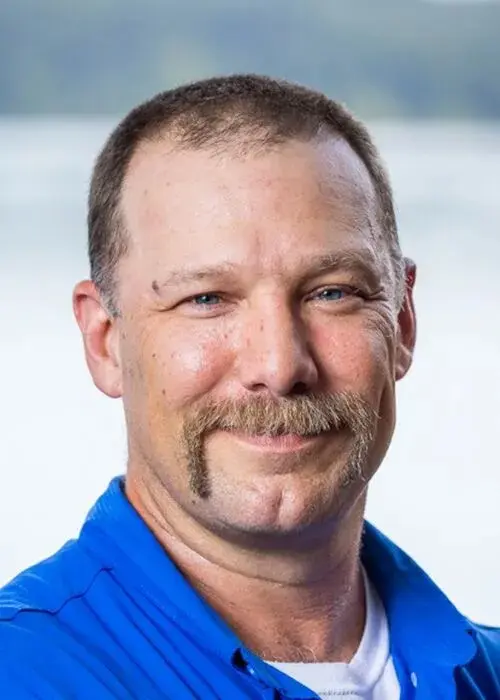
A man with short brown hair, a mustache, and blue eyes smiles at the camera. He is wearing a blue collared shirt, perfect for a day of pond management. The background is softly blurred.

Paul Slovisky

Director of Operations, Atlanta, GA
Paul oversees the day-to-day activities of both our Lake and Pond Management department and our Stormwater Infrastructure Maintenance and Repair department. Paul coordinates with various regional department heads and supervisors to ensure all aspects of our team have what they need to function as an industry-leading, nationwide stormwater service provider. Paul has over 25 years of leadership experience in the surface water and stormwater management and restoration industries, including serving as VP of Operations at Aquascape Environmental. Paul holds a Bachelor of Science in Earth Science from Mercer University.
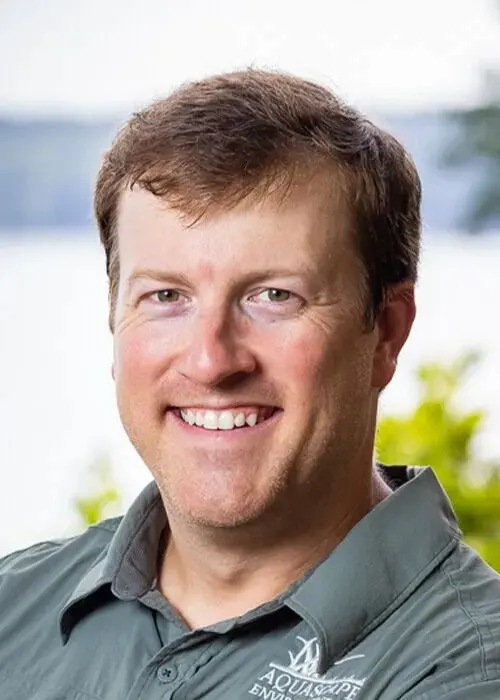
A man with short brown hair smiles at the camera, wearing a gray collared shirt with an "Aquascape" logo, outdoors with greenery and water in the background, reflecting his expertise in pond management.

Evan Carpenter

Director of Operations, Coastal Southeast Region
Evan is focused on increasing customer density and brand awareness throughout the region while elevating TIGRIS as the foremost provider of aquatic services. Before joining TIGRIS, Evan led the Lake Management Division for Aquascape Environmental (AE), an Atlanta-based environmental services company. Evan holds four Certified Commercial Applicator licenses across the southeast and a level 1 certification from the Georgia Soil and Water Conservation Commission. He also serves on the Advisory Committee for the Environmental Technology Department at Chattahoochee Technical College. Evan earned a Bachelor of Business Administration in Management from Valdosta State University.

Marty Miesko

Director of Business Development, Northeast Region
Marty Miesko is the Director of Business Development for the Northeast Region at TIGRIS, bringing over 30 years of expertise in lake and pond management. As the founder and former president of Natureworks Clearwater Associates, Inc., he established the company as a premier service provider and one of the largest fountain distributors in the Northeast. Marty is committed to strengthening our presence in the Northeast and enhancing our industry expertise. His dedication to excellence and customer satisfaction aligns seamlessly with TIGRIS’s values, making him an integral part of our team.

David Pullins

Chief Executive Officer Member, Board of Directors
David is propelling TIGRIS into an industry-leading, nationwide stormwater service provider, steering its rapid growth while fostering a high-impact culture. He has over 25 years of leadership experience in the water and environmental industries, spanning blue-chip global conglomerates, private equity portfolio companies, start-up ventures and mid-market companies. Before joining Plexus, David was the VP/GM at Clarke Aquatics and also spent 15 years at Pentair. David holds a Bachelor of Arts from The Ohio State University and an MBA from Vanderbilt University.